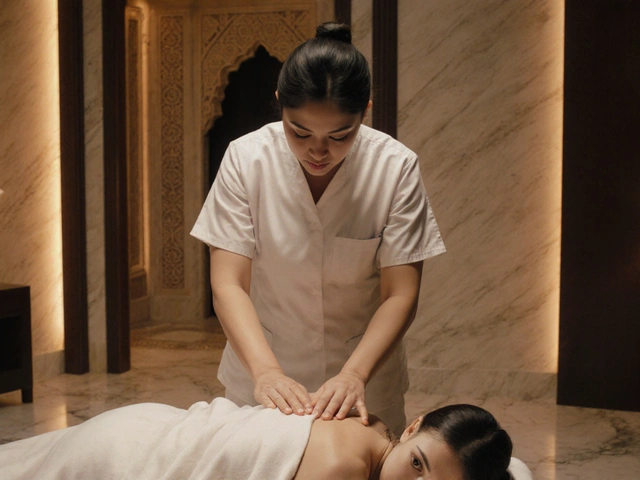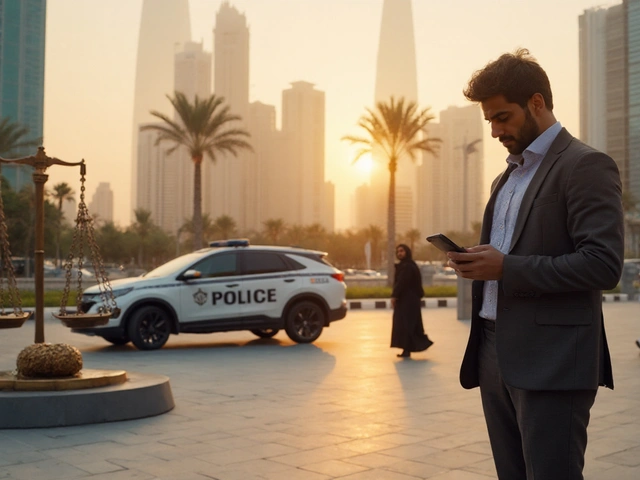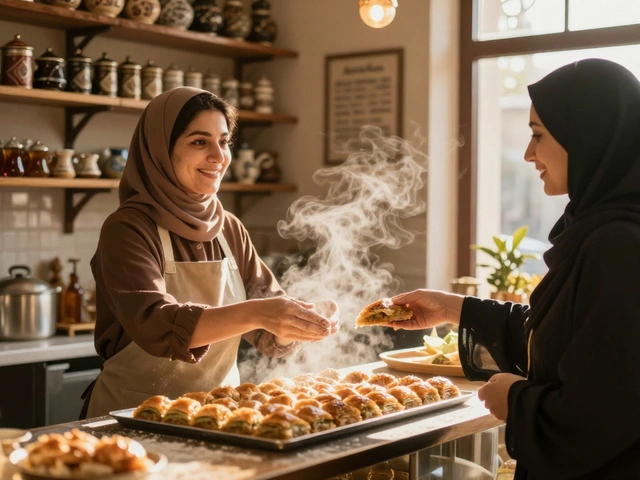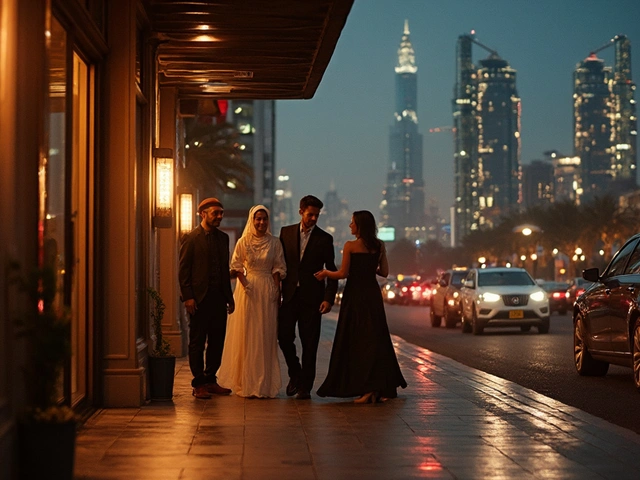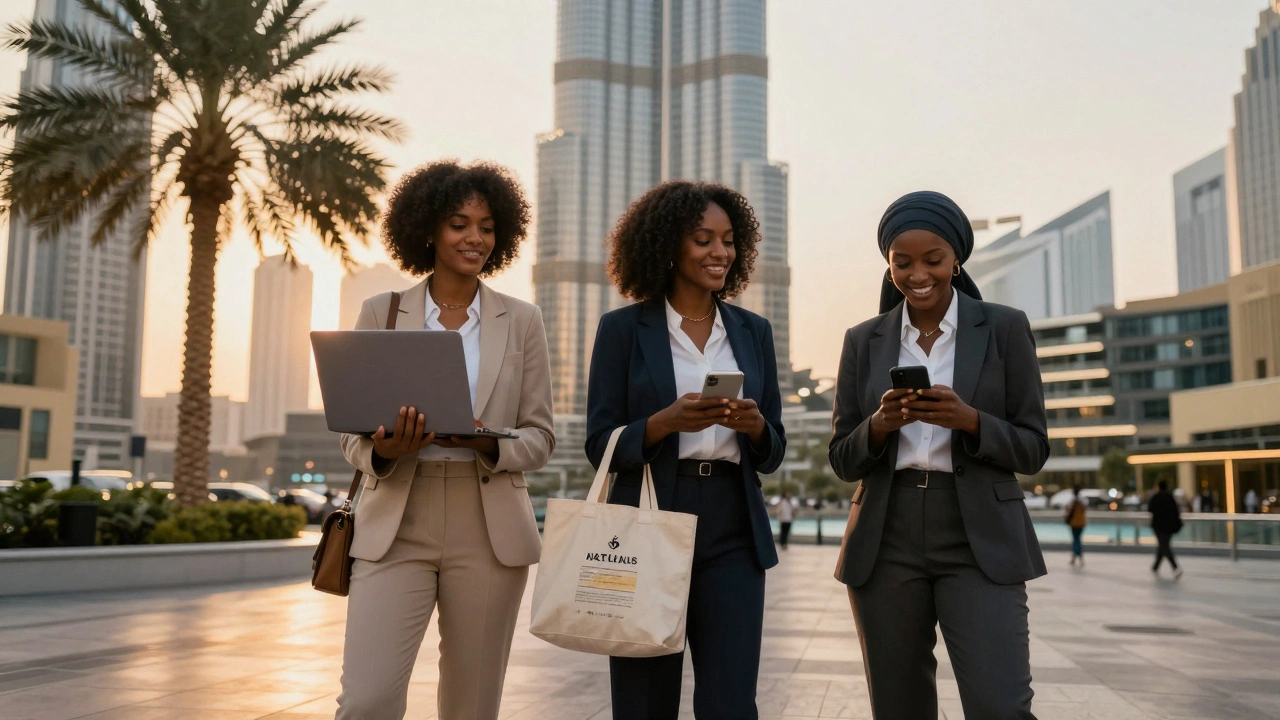
When you think of Dubai, images of luxury malls, desert safaris, and towering skyscrapers often come to mind. But behind the glittering facade, there’s a quieter, deeper story - one lived by Black women who call Dubai home. They’re not just visitors or temporary residents. They’re doctors, entrepreneurs, teachers, artists, and mothers building lives in a city that doesn’t always make space for them - yet they’re here, anyway.
Who Are the Black Women Living in Dubai?
There’s no official count, but estimates suggest tens of thousands of Black women from across Africa and the African diaspora live in Dubai. Many come from Nigeria, Ghana, Kenya, South Africa, Ethiopia, and the Caribbean. Some arrived on work visas as nurses or engineers. Others came as students and stayed. A growing number are freelancers and digital nomads running online businesses from their apartments in Jumeirah or Dubai Marina.
Unlike the stereotypical portrayals you see on social media - often reduced to exoticized images or sexualized content - these women are navigating real life. They deal with visa renewals, school enrollment for their kids, language barriers, and sometimes, outright discrimination. Yet they’re also thriving. One Nigerian pharmacist I spoke with runs a WhatsApp group of over 500 Black women in Dubai. It’s not about dating or parties. It’s about sharing tips on where to find natural hair products, which landlords don’t discriminate, and how to handle racist comments from strangers.
Visibility Is Not the Same as Acceptance
Dubai prides itself on being a global city. But global doesn’t always mean inclusive. Black women often report being ignored in high-end stores, asked to show ID more than others, or told they can’t enter certain clubs because they’re "not the type" - a coded phrase that carries weight. In 2023, a viral video showed a Black woman being denied entry to a luxury lounge in Downtown Dubai while white women walked in right behind her. The venue later claimed it was a "mistake," but the pattern is real.
There’s also the issue of representation. Walk through any mall in Dubai and you’ll see billboards with mostly white or Middle Eastern faces. Ads for beauty products rarely feature dark skin. When Black women do appear, it’s often in roles that reinforce stereotypes - as domestic workers or background extras in tourist videos. This erasure isn’t accidental. It’s systemic.
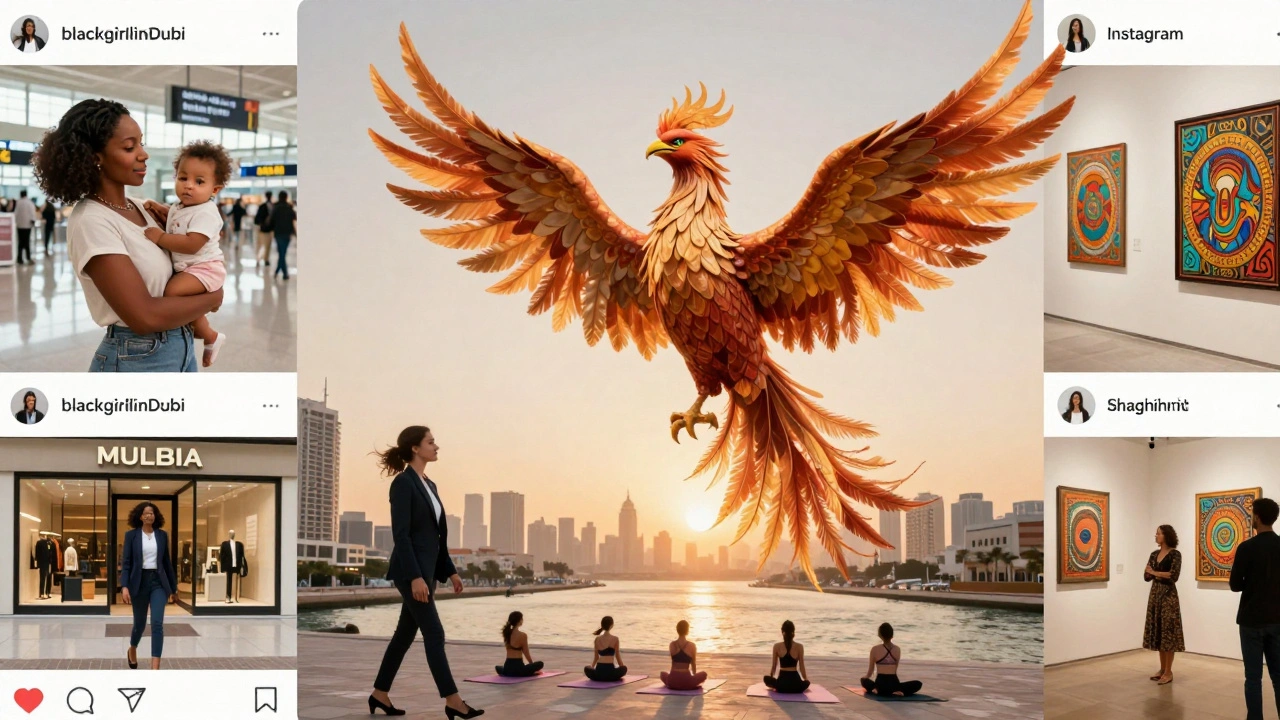
But change is happening. Instagram accounts like @blackgirlsinDubai and @africanwomeninuae are flipping the script. They post photos of Black women in business suits, at yoga studios, holding their babies at Al Maktoum Airport, and enjoying coffee in Alserkal Avenue. These aren’t staged photos. These are real moments. And they’re gaining traction - not just among other Black women, but among Emiratis who are finally asking: "Why haven’t we seen this before?"
Culture, Community, and Connection
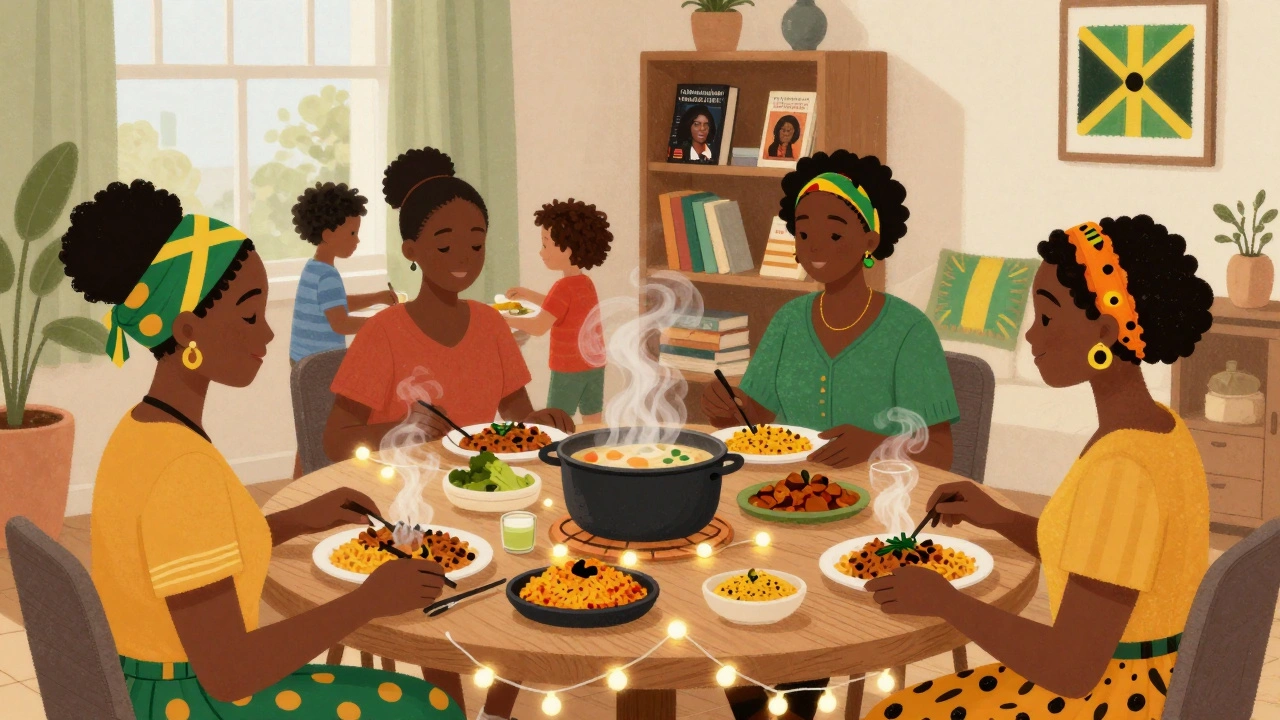
Community is everything. Without it, life in Dubai can feel isolating. That’s why Black women have built networks from the ground up. There are monthly potlucks in Deira where Nigerian jollof rice, Ghanaian fufu, and Senegalese thieboudienne are shared. There are book clubs that read Chimamanda Ngozi Adichie and Zadie Smith. There are fitness groups that meet at sunrise on the Dubai Creek waterfront - all Black women, all different backgrounds, all showing up for each other.
Religious spaces also play a role. Many Black women are Muslim, and mosques like the one in Satwa have become safe havens. Others are Christian and attend churches in Bur Dubai where sermons are delivered in English and Nigerian gospel music fills the air on Sundays. These spaces aren’t just about faith. They’re about belonging.
Even the language is changing. More Emirati youth now use the term "African sister" instead of "foreign worker." It’s small, but it matters. One 19-year-old Emirati student told me, "I used to think all African women worked as cleaners. Now I know they’re my classmates, my neighbors, my future colleagues."
Challenges That Don’t Get Talked About
Let’s be honest: life isn’t easy. The cost of living is brutal. A one-bedroom apartment in Dubai Marina can cost more than $2,500 a month. For single mothers working as nurses or teachers, that’s nearly half their salary. Childcare is expensive and often unregulated. Many rely on extended family or informal babysitting circles.
Then there’s the legal system. If a Black woman reports harassment or unfair treatment, she’s often told to "be patient" or "don’t make trouble." The fear of visa cancellation looms large. Many women stay silent because they know their status is tied to their employer - and speaking up could mean losing everything.
Healthcare is another blind spot. Dermatologists in Dubai rarely stock products for darker skin tones. Maternal care for Black women is inconsistent - studies show higher rates of complications, yet few clinics offer culturally competent care. One Ghanaian woman shared that her midwife asked her if she was "used to giving birth in Africa," as if her body was a mystery to be solved.
What’s Changing? And Who’s Leading It?
Change isn’t coming from the top. It’s coming from the women themselves.
There’s Amina, a Kenyan lawyer who started a nonprofit to help Black women navigate Dubai’s labor laws. She’s helped over 200 women get fair contracts and recover unpaid wages.
There’s Tanya, a Jamaican artist who opened a gallery in Al Quoz showcasing African and Afro-Caribbean women. Her work has been featured in the Dubai Art Fair - a rare win for non-Middle Eastern artists.
And there’s the growing number of Black-owned businesses: hair salons specializing in natural textures, African fashion boutiques, catering services serving West African meals, and even a Black-owned wellness center offering acupuncture and herbal remedies.
These aren’t side hustles. They’re foundations. And they’re changing what Dubai looks like - not just in the eyes of tourists, but in the daily lives of its residents.
What Should You Know If You’re Planning to Move Here?
If you’re a Black woman thinking about relocating to Dubai, here’s what you need to know:
- Network before you arrive. Join Facebook groups like "Black Women in Dubai" or "African Women’s Network UAE." Ask for housing tips, job leads, and safe neighborhoods.
- Know your rights. Dubai has labor laws that protect foreign workers - but only if you know how to use them. Save every contract, pay slip, and email.
- Find your people. Don’t wait for the city to welcome you. Create your own space. Start a book club. Host a dinner. Build your tribe.
- Don’t let stereotypes define you. You’re not here to be a stereotype. You’re here to live, work, grow, and thrive. The city will try to box you in. Don’t let it.
There’s no single story of Black women in Dubai. There are hundreds - each one louder, prouder, and more resilient than the last.
It’s Not About Being Seen. It’s About Being Free.
Dubai doesn’t owe Black women visibility. But it’s starting to give it to them - not because it’s right, but because they demanded it. And that’s the real story.
They’re not asking for permission. They’re building their own world - one appointment, one business, one friendship at a time.
And in a city that thrives on transformation, maybe that’s the most powerful thing of all.