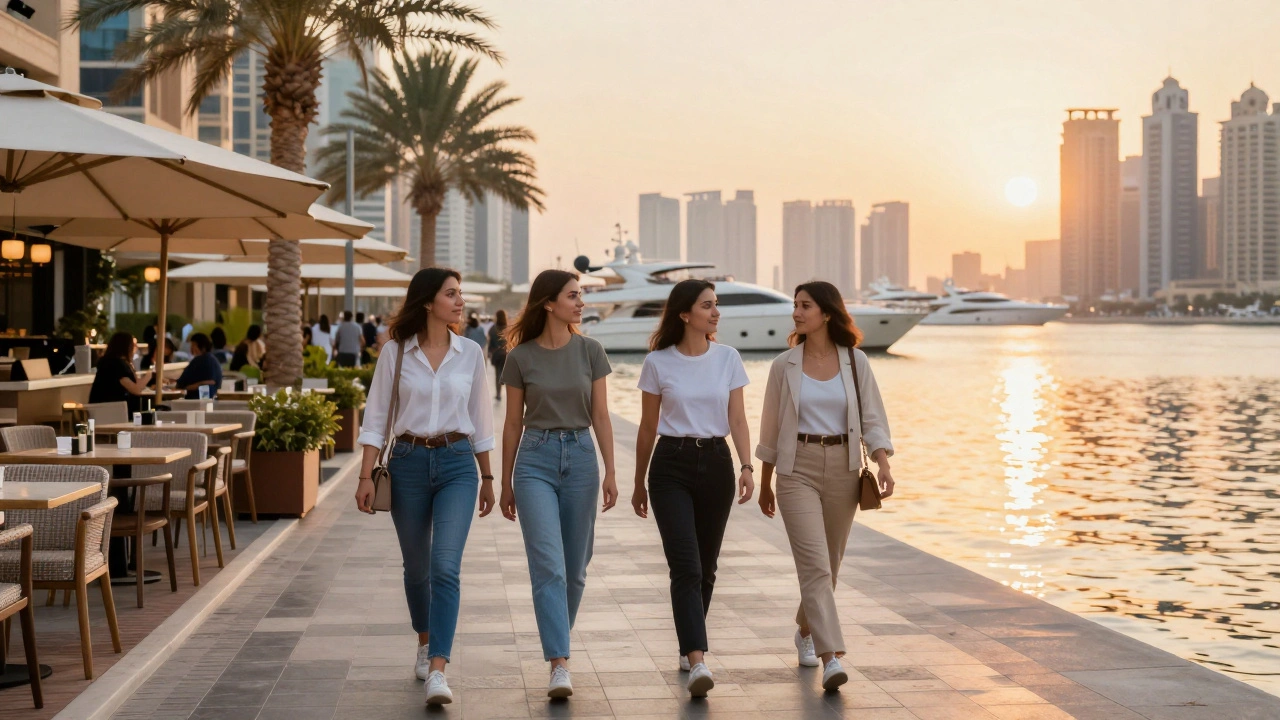
When you walk through Dubai Marina or sit at a café in Business Bay, you’ll notice a lot of European women. They’re not here on vacation. Most live here - working, raising kids, running businesses, or just choosing Dubai as their home. It’s not a trend. It’s a quiet, steady migration that’s been building for over a decade.
Why Do European Women Move to Dubai?
It’s not just the tax-free income, though that’s a big draw. Many come from countries like Germany, Sweden, or the UK, where salaries are high but so are taxes and housing costs. In Dubai, a marketing manager from Berlin might earn the same as back home - but keep 30% more after taxes. That changes everything.
Some come for career opportunities. Dubai has a growing number of European-owned startups, international schools, and luxury brands that need bilingual staff. Others come because their partners work in oil, finance, or construction. But a growing number arrive alone - freelancers, digital nomads, or women who simply prefer the city’s structure, safety, and pace.
Unlike other expat hubs, Dubai doesn’t force assimilation. You don’t have to adopt local dress codes to work or socialize. Many European women wear jeans and t-shirts daily. Some wear abayas for cultural respect, but it’s optional. The city’s infrastructure - clean streets, reliable public transport, 24/7 convenience - makes daily life easy.
Where Do They Live?
The answer isn’t one neighborhood. It’s several. Dubai Marina is popular for its waterfront views and cafés. Jumeirah Beach Residence (JBR) has a strong European vibe, with Italian restaurants and weekend brunches that feel like they’re in Barcelona. Business Bay attracts professionals who work in corporate towers and want short commutes.
But don’t overlook quieter areas. Al Barsha has a growing community of European families with kids in international schools. The Greens and Arabian Ranches offer villas with gardens - a rarity in the city - and are filled with European women running home-based businesses or working remotely.
There’s no single "European quarter," but you’ll find them clustered where amenities match their lifestyle: good gyms, international grocery stores like Waitrose or Lidl, and English-speaking doctors.
What Do They Do All Day?
Most work. Many are in tech, marketing, education, or healthcare. Others run online businesses - selling handmade jewelry, coaching fitness, or managing Instagram accounts for luxury brands. A surprising number are entrepreneurs. One woman from Poland started a boutique yoga studio in JLT. A Dutch expat runs a podcast about parenting in the UAE. A French chef opened a vegan bakery in Al Quoz.
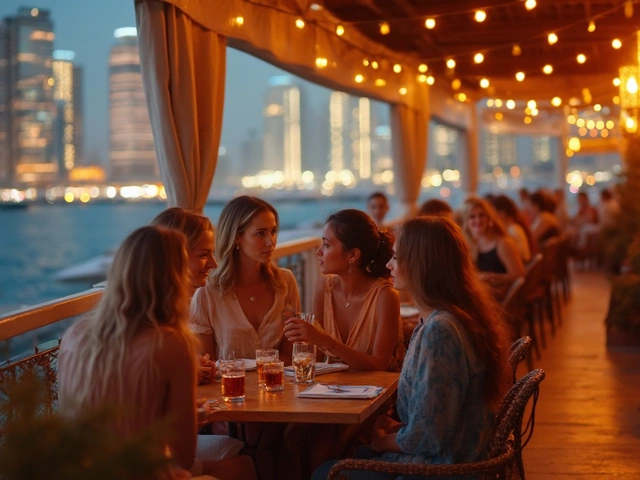
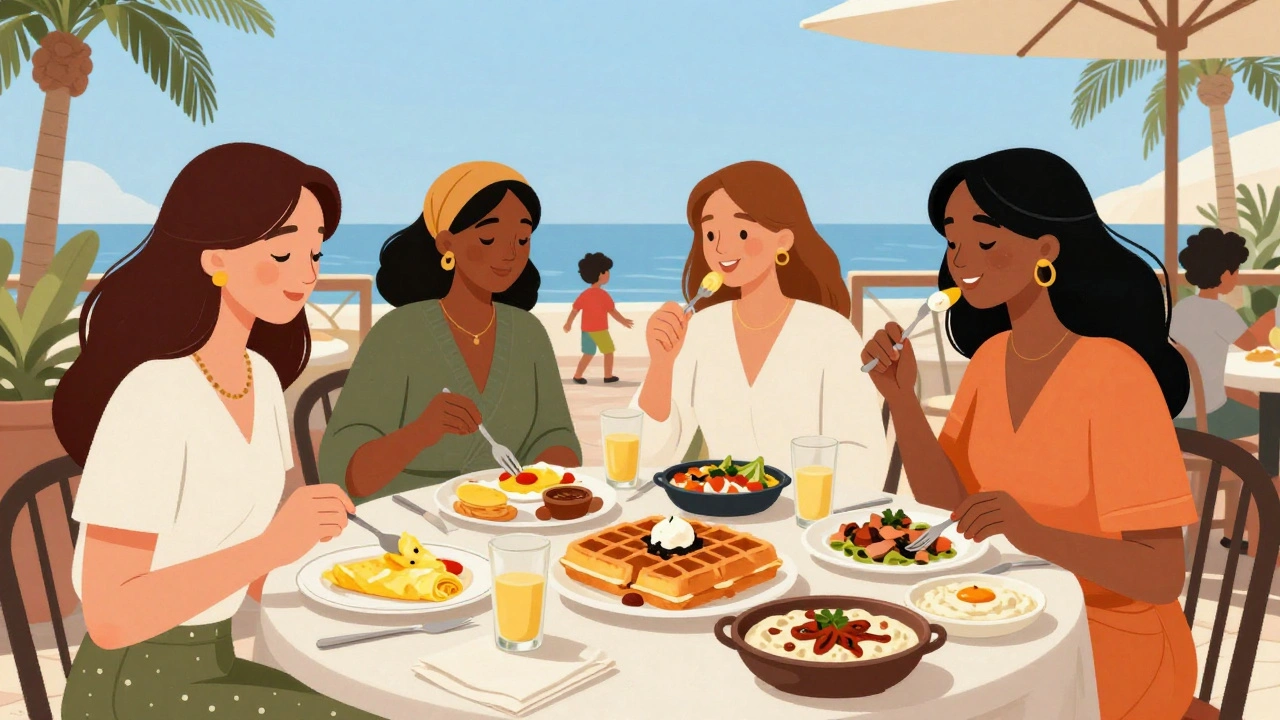
Weekends are often spent at the beach, poolside lounging, or at one of the many European-style brunches. The brunch scene is huge. You’ll find French omelets, German sausages, and Belgian waffles served alongside shawarma and hummus. It’s not forced fusion - it’s just how life works here.
Many also volunteer. There are European women’s groups that organize charity runs, book clubs, and language exchanges. You’ll find Dutch women teaching English to Filipino maids. Swedish mothers running playgroups for toddlers. It’s community-building without the pressure.
Cultural Adjustments - What’s Hard?
It’s not all smooth sailing. Some European women struggle with the lack of seasons. No winter. No autumn leaves. The sun is intense for months. The silence of the desert at night can feel isolating if you’re used to crickets and rain.
Public displays of affection are frowned upon. Holding hands is fine. Kissing in public? Not okay. That catches some off guard. Also, alcohol is available - but only in licensed venues. No buying wine at the corner store. You need to go to a hotel bar or a duty-free shop.
And then there’s the social calendar. Events often start late. Dinner at 9 p.m. isn’t unusual. Weekends are Friday and Saturday, not Saturday and Sunday. It takes time to adjust.
But most adapt. They learn Arabic greetings. They respect the quiet hours during Ramadan. They stop asking why there’s no Christmas tree in the mall - and instead enjoy the lights anyway.
How Do They Connect?
There’s no official network, but there are strong informal ones. Facebook groups like "European Women in Dubai" have over 15,000 members. WhatsApp circles share tips on pediatricians, babysitters, and where to get gluten-free bread. Meetup.com hosts weekly coffee mornings and hiking trips to Hatta.
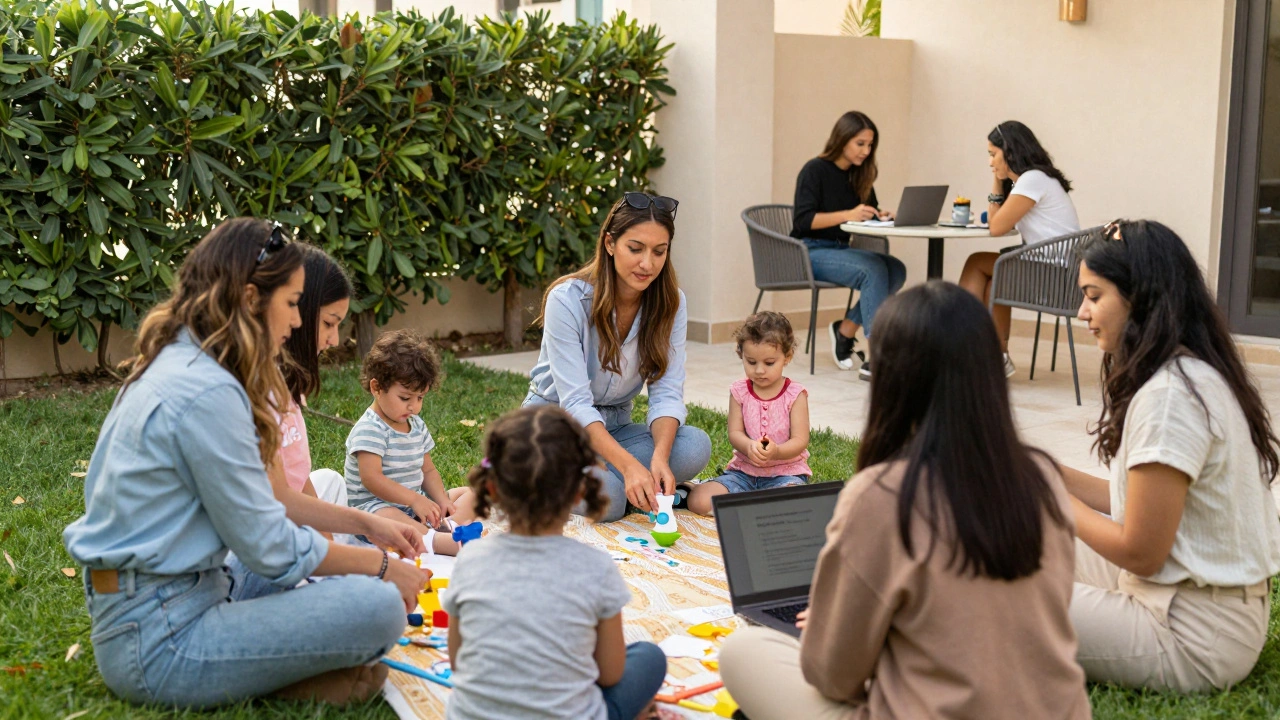
Some join clubs: tennis, horseback riding, or book clubs. Others find community through their kids’ schools. A Danish mom met her best friend in Dubai because their toddlers were in the same nursery class. That’s how it often happens - through small, everyday moments.
There’s also a growing number of co-working spaces for women. Places like HerSpace in DIFC offer childcare, networking events, and legal advice for female entrepreneurs. It’s not just about work - it’s about belonging.
The Bigger Picture
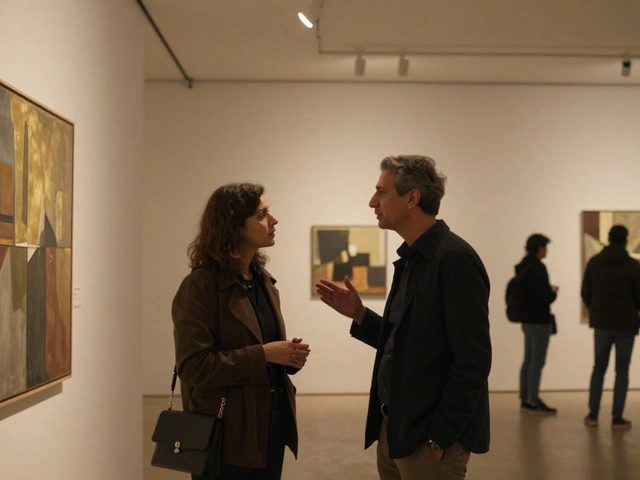
Dubai isn’t trying to be Europe. But it’s becoming a place where Europe and the Middle East naturally overlap. You’ll hear Swedish, German, and French spoken in supermarkets. You’ll see European cars parked next to luxury SUVs. You’ll find European art in galleries and European music in clubs.
These women aren’t here to escape their countries. They’re here to build something new - a hybrid life that blends the freedom of Dubai with the values they grew up with: education, independence, and quiet dignity.
Their presence isn’t loud. But it’s steady. And it’s changing the city - not with protests or headlines - but with school runs, coffee dates, and late-night conversations about how to raise kids in a place where the sun rises at 6 a.m. and sets at 7 p.m.