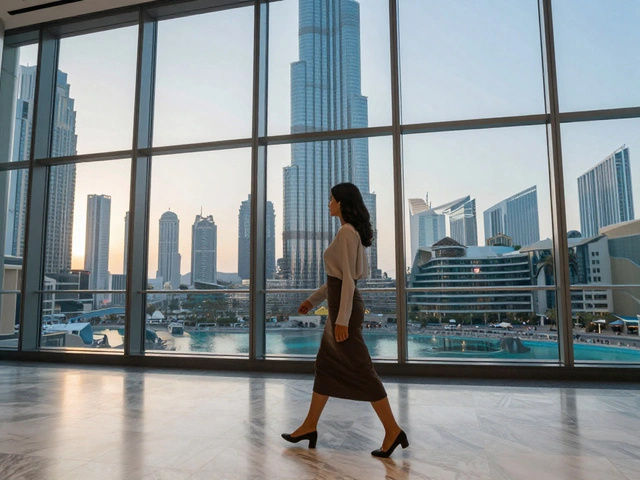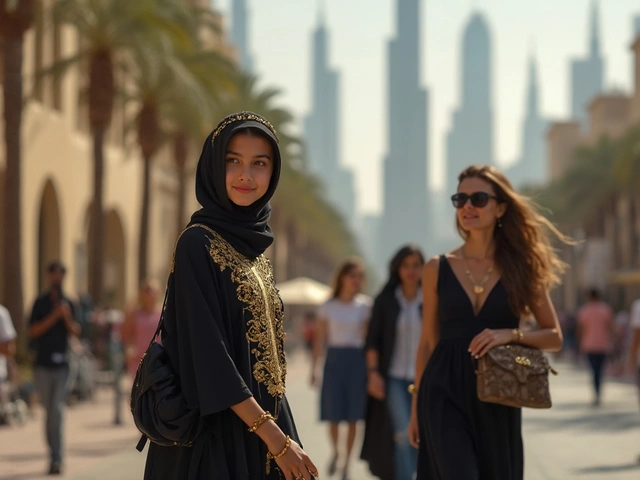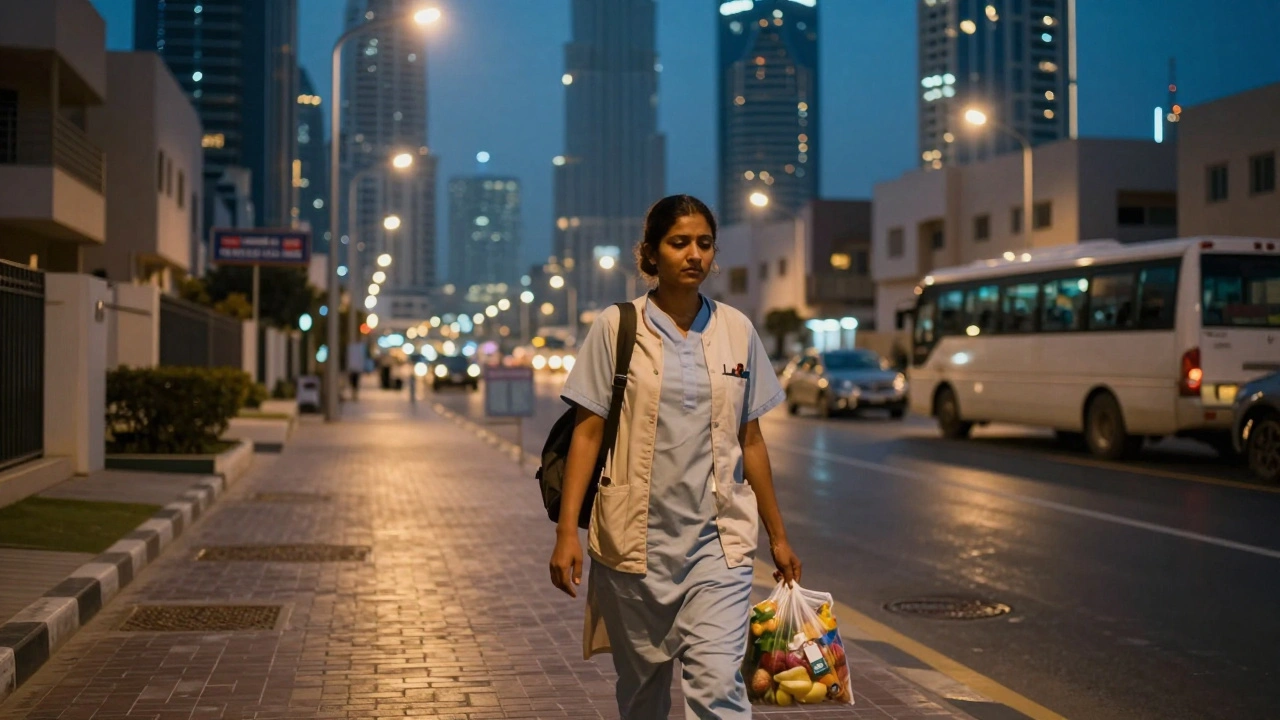
When you hear "Nepali girls in Dubai," what comes to mind? For many, it’s a stereotype - a quick image shaped by headlines, social media snippets, or assumptions. But the real story is far deeper, more complex, and more human. Thousands of Nepali women live, work, and build lives in Dubai. They’re nurses, teachers, office administrators, entrepreneurs, and students. They send money home to support families, learn Arabic in the evenings, celebrate Dashain in small apartments, and navigate a city that rarely stops moving.
Who Are the Nepali Girls in Dubai?
There are over 500,000 Nepalis living in the UAE, and nearly half of them are women. Most arrived through legal work visas - not as tourists, not as entertainers, but as professionals filling critical roles. Many work in healthcare. Others are in hospitality, retail, or domestic service. A growing number are in IT support, accounting, and customer service roles in multinational companies.
Take Amina, for example. She came from Pokhara in 2021 with a nursing degree from Kathmandu. Today, she works the night shift at a private hospital in Deira, earns 4,200 AED a month, and sends 3,000 AED home every month to her younger brother’s school fees. She doesn’t post on Instagram. She doesn’t want attention. She just wants to finish her diploma in emergency care and bring her parents to Dubai.
These women aren’t invisible. They’re just not the kind of visibility that gets trending hashtags.
How They Live: Housing, Costs, and Daily Routines
Most Nepali women live in shared accommodations - often 3 to 5 people in a one-bedroom apartment in areas like Al Quoz, Jebel Ali, or Satellite Town. Rent for a single room averages 1,200 to 1,800 AED per month. Utilities, food, and transport eat up another 800 AED. That leaves little for savings, but many still manage to put aside 1,000 AED a month.
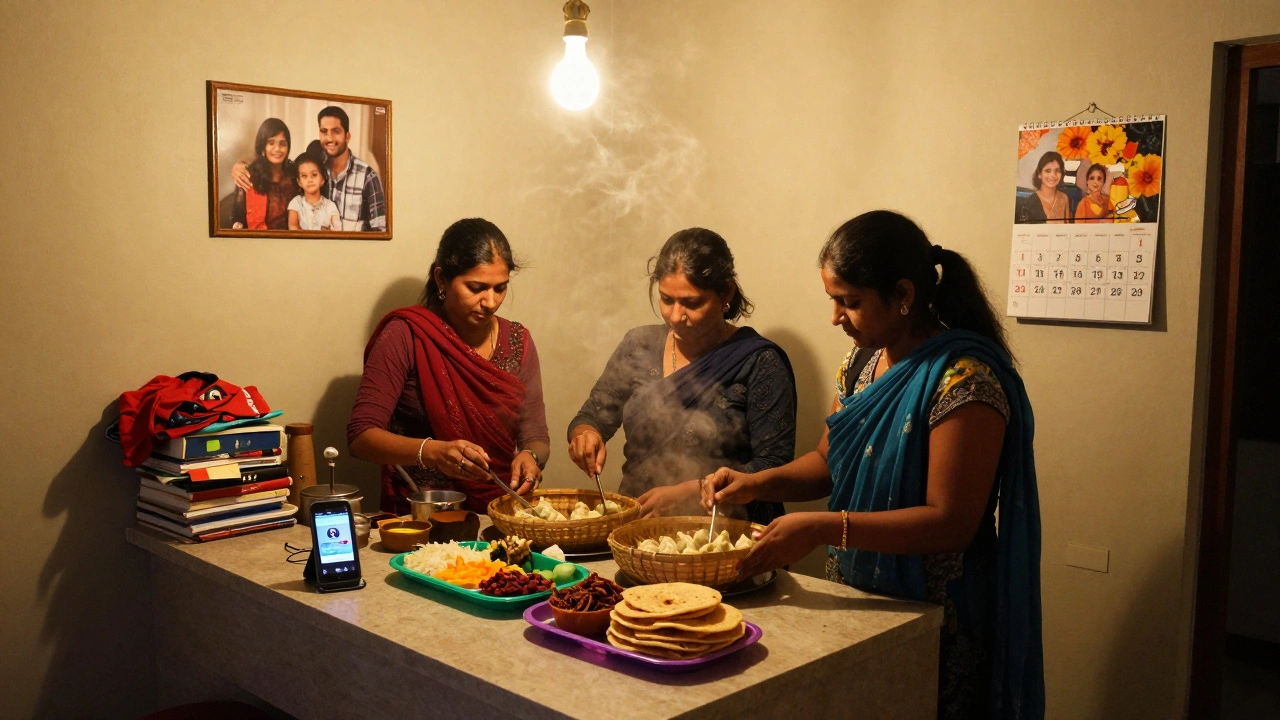
Breakfast is usually tea and bread. Lunch is rice and dal from a Nepali canteen near their workplace. Dinner? Sometimes it’s the same. On weekends, they cook together. A pot of momo dumplings, a side of achar, and a playlist of Nepali pop songs turn a cramped apartment into a home.
Transportation is mostly by bus or shared taxi. The Dubai Metro is clean and safe, but many avoid it after dark. Instead, they walk in groups. They know the routes, the safe neighborhoods, the police stations near their buildings. They’ve learned to read the city’s rhythm - when it’s busy, when it’s quiet, when it’s safest.
Work Culture and Challenges
Work in Dubai doesn’t always mean fair treatment. Many Nepali women face long hours, low wages, and language barriers. A study by the International Labour Organization in 2024 found that 37% of Nepali female domestic workers in the UAE reported being paid less than agreed upon. Others were denied days off.
But change is happening. The UAE government introduced the Domestic Workers Law in 2017, and enforcement has improved since 2022. Workers now have access to legal aid centers in Bur Dubai and Deira. NGOs like the Nepali Women’s Association in Dubai help with contract reviews, translation, and emergency shelter.
Many women now carry copies of their contracts - not just for show, but as protection. They know their rights. They know they can call the Ministry of Human Resources and Emiratisation without fear. And more are doing it.
Culture and Community: Keeping Home Alive
Dubai doesn’t have a "Nepali quarter," but it has hundreds of small gatherings that feel like one. On Dashain, the biggest Nepali festival, women gather in community halls to tie tika on each other’s foreheads. They bring homemade sel roti, sing old songs, and cry a little when they hear the drums.
There are WhatsApp groups - dozens of them. "Nepali Women in Dubai Support" has over 8,000 members. They share job leads, warn about shady landlords, recommend doctors, and post photos of their children back home. One group member started a free Hindi-Nepali language class for kids. Another runs a weekly sewing circle where women mend clothes and talk about their dreams.
Religion plays a big role too. Many attend the small Hindu temples in Satwa or the Muslim prayer halls near Al Nahda. They don’t always speak the same language, but they share the same need for peace.
Education and the Next Generation
More Nepali women in Dubai are now focused on education - not just for themselves, but for their children. There are over 12,000 Nepali children in UAE schools. Many attend the Dubai Nepali School in Al Quoz, which teaches the Nepali curriculum alongside the British system. The school has 14 teachers, 9 of whom are women.
Some mothers take night classes in accounting or digital marketing. A few have started online businesses - selling handmade jewelry, Nepali spices, or embroidery. One woman, Sunita, turned her kitchen into a small delivery business. Her momo packs sell out every Friday. She uses Instagram, but only to share her food - not her face.
These women aren’t waiting for permission to grow. They’re building their own paths, one step at a time.
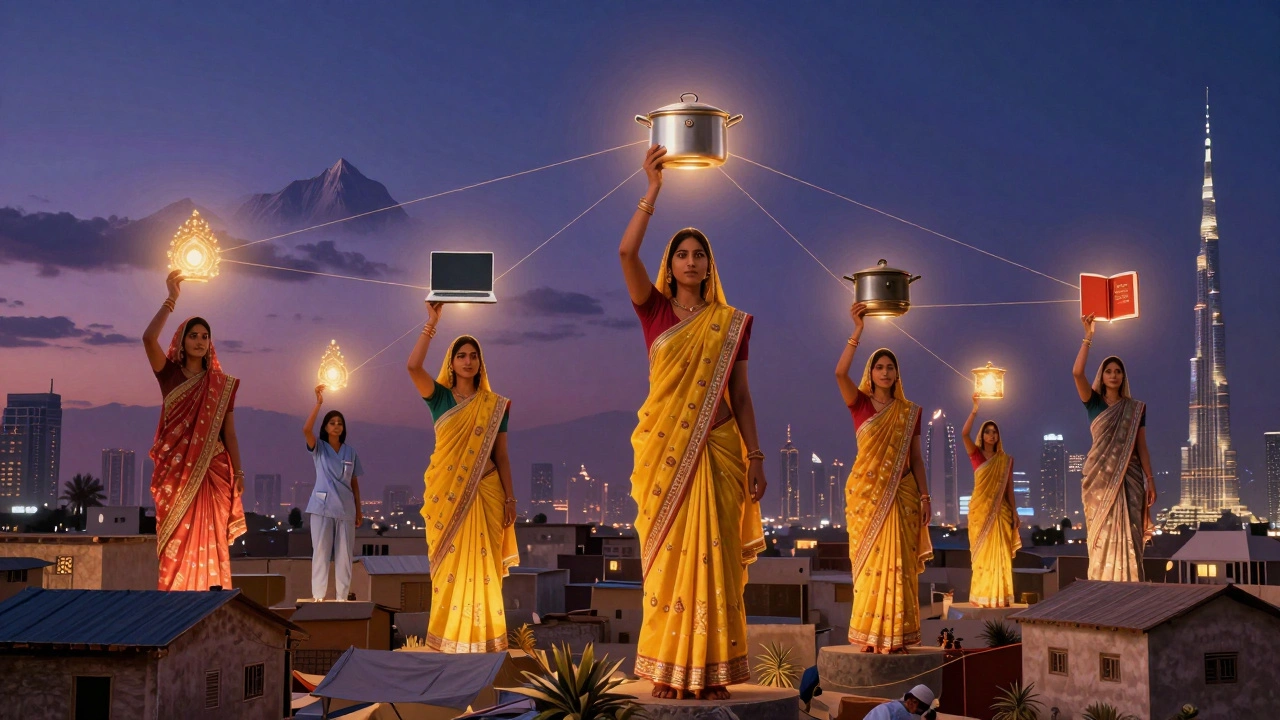
What People Get Wrong
The biggest myth? That Nepali women in Dubai are here for romance, or for "easy money." That’s not just false - it’s dangerous. It erases their hard work, their resilience, their dignity.
Yes, some women do enter the entertainment or service industry. But that’s true in every major city. To paint all Nepali women with that brush is as unfair as saying all American women are influencers because of TikTok.
The truth? Most Nepali women in Dubai are working 12-hour days to give their families a better future. They’re not looking for attention. They’re looking for stability. For respect. For a chance to say, "I made it on my own."
How to Support the Community
If you live in Dubai and want to help, start simple:
- Buy from Nepali-owned businesses - a cup of tea, a bag of spices, a pair of earrings.
- Learn a few words in Nepali. A "Namaste" or "Dhanyabad" goes a long way.
- Don’t assume. Ask. Listen.
- If you’re an employer, pay on time. Give days off. Treat people like humans, not just workers.
- Support NGOs like the Nepal Women’s Welfare Association or the UAE-Nepal Friendship Society.
Change doesn’t come from headlines. It comes from small, consistent actions.
What’s Next for Nepali Women in Dubai?
The future is being written right now - quietly, in offices, classrooms, hospitals, and kitchens. More Nepali women are applying for higher education in the UAE. Some are starting their own companies. A few are even training to become community leaders.
The UAE’s new long-term visa policies, introduced in 2023, now allow skilled workers to stay for up to 10 years. That means Nepali women can plan beyond a five-year contract. They can think about buying a car, opening a bank account, or even applying for permanent residency.
This isn’t a story about migration. It’s a story about belonging.
These women didn’t come to Dubai to disappear. They came to build something - for themselves, for their families, for the next generation. And they’re doing it, one day at a time, without fanfare, without applause.
Maybe that’s the quietest kind of strength there is.