Shemale escorts in Dubai operate in a legal gray zone. While same-sex relationships and gender diversity are not explicitly illegal under UAE law, public displays of affection, prostitution, and sex work are strictly prohibited. This creates a high-risk environment for both clients and service providers. Many individuals offering these services work independently or through discreet online platforms, avoiding physical brothels or street-based activity to reduce exposure to law enforcement.
How These Services Actually Work
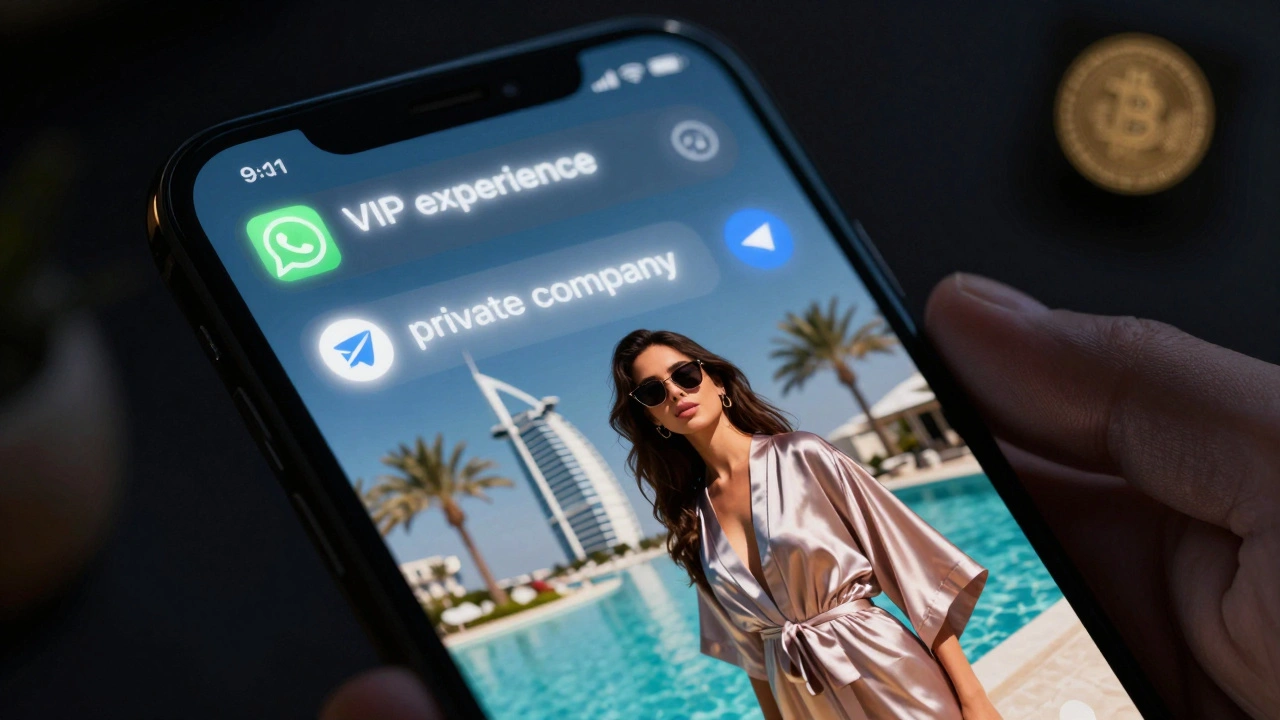
Most transgender escorts in Dubai don’t advertise openly. You won’t find them on mainstream apps or billboards. Instead, they rely on private messaging apps like WhatsApp, Telegram, or encrypted platforms. Some use Instagram or Twitter to post vague, aesthetic photos-often in luxury hotel lobbies or poolside settings-with coded language like "private company," "discreet meetings," or "VIP experience."
Booking usually starts with a message. A quick chat follows to confirm availability, pricing, and location. Most sessions happen in high-end hotels (like those in Dubai Marina or Palm Jumeirah) where staff are less likely to ask questions. Clients are often asked to pay upfront via cryptocurrency or peer-to-peer payment apps to avoid traceable bank transfers. Cash is rare-too risky.
Prices vary depending on experience, appearance, and location. Basic services start around 1,500 AED (about $400), while top-tier escorts with strong online profiles or international backgrounds can charge 5,000 AED or more. Some offer extended stays, but those come with higher risk and higher cost.
Who Are These Escorts?
Many transgender women working in Dubai come from Thailand, the Philippines, Brazil, or Eastern Europe. Some moved there for work opportunities in beauty, modeling, or hospitality before transitioning into escorting. Others are expats who found Dubai’s anonymity useful after leaving more restrictive countries.
Unlike in Western cities, there’s no formal community or support network for transgender sex workers in Dubai. No NGOs, no safe spaces, no legal aid. Most rely on word-of-mouth referrals from other clients or escorts. A single bad experience-like a client who refuses to pay or reports them to authorities-can end their ability to work.
Many use aliases. Real names are rarely shared. Photos are often edited or taken years ago. Some have undergone gender-affirming surgery; others haven’t. What matters most to clients isn’t medical history-it’s presentation, discretion, and reliability.
The Legal Risks Are Real
The UAE has zero tolerance for sex work. Even if no money changes hands, if a court determines an arrangement was sexual in nature, both parties can face charges. Penalties include deportation, fines up to 10,000 AED, and sometimes jail time. For foreigners, deportation is almost guaranteed. Once banned, re-entry is nearly impossible.
Police raids on hotels are common during major events like Dubai Shopping Festival or Formula 1 weekend. Surveillance cameras, hotel staff reports, and anonymous tips all contribute to arrests. Even if you think you’re being careful, digital footprints-like repeated messages to the same number or geotagged photos-can be used as evidence.
There’s no such thing as a "safe" or "legal" transgender escort service in Dubai. Any agency claiming otherwise is either lying or operating illegally. Even if they offer "companion services" or "entertainment packages," the moment sexual activity is involved, it becomes a criminal offense under Article 357 of the UAE Penal Code.
What Clients Get Wrong
Many clients assume that because Dubai is modern and cosmopolitan, it’s tolerant of everything. That’s not true. The city welcomes tourists, but only if they follow local norms. Public decency laws are enforced selectively but harshly when violated.
Another myth: "They won’t arrest me because I’m a foreigner." That’s false. Foreigners are deported more often than locals because they have less legal protection. Even diplomats have been deported for similar offenses.
Some clients believe that paying more makes them safer. It doesn’t. Higher prices attract more attention. Wealthy clients are often targeted by scammers posing as escorts. Fake profiles with stolen photos and AI-generated voices are common. Some people have paid thousands only to be blocked or never receive a response.
Alternatives to Consider
If you’re looking for companionship or social connection in Dubai, there are legal options. Expat meetups, language exchange groups, and LGBTQ+-friendly cafes in areas like Jumeirah or Al Quoz offer low-pressure environments. Some clubs host private nights for queer expats, though they’re always discreet and never advertised publicly.
For those seeking emotional or romantic connection, dating apps like Bumble or Hinge work in Dubai-just avoid overtly sexual language in profiles. Many expats form long-term relationships through these platforms without ever crossing into illegal territory.
Therapy and counseling services are also available. Some psychologists in Dubai specialize in gender identity and LGBTQ+ issues. They don’t offer sexual services, but they do offer safe, confidential spaces to talk about loneliness, identity, or isolation.
Why This Is More Than Just a Transaction
Behind every profile is a person trying to survive. Many transgender women in Dubai are estranged from their families, have no support system, and work in dangerous conditions just to afford rent and medication. The idea that this is "just sex work" ignores the systemic pressures that push people into it.
It’s easy to judge from afar. But if you’ve ever felt invisible, unsafe, or desperate for connection, you might understand why someone takes these risks.
That doesn’t make it legal. But it does make it human.
Final Advice
If you’re considering hiring a transgender escort in Dubai, ask yourself: Is this worth losing your visa, your job, your freedom, or your ability to return to this country? The answer isn’t just about money-it’s about consequences that last a lifetime.
There are no shortcuts. No safe loopholes. No guarantees. What you’re buying isn’t just a service-it’s a gamble with your future.
Choose wisely.
Are shemale escorts legal in Dubai?
No, prostitution and sex work of any kind are illegal in Dubai, regardless of gender identity. While being transgender is not against the law, engaging in sexual services for payment is a criminal offense under UAE Penal Code Article 357. Both clients and providers risk deportation, fines, and jail time.
How do I find a transgender escort in Dubai?
Most operate through private messaging apps like WhatsApp or Telegram, often using coded language on social media. However, searching for or contacting these services puts you at serious legal risk. There are no legitimate agencies, and even seemingly "discreet" platforms can be traps set by scammers or law enforcement.
What happens if I get caught?
If caught, you’ll likely be arrested, fined up to 10,000 AED, and deported. Your name may be added to a UAE immigration blacklist, making future travel to any Gulf country nearly impossible. Your employer may also be notified, leading to job loss. There is no appeal process for deportation in these cases.
Are there transgender-friendly spaces in Dubai?
Yes, but they’re not public. Some expat groups host private gatherings in homes or rented spaces. There are also therapists and counselors who specialize in gender identity issues. These are safe, legal options for connection and support without breaking the law.
Can I trust online profiles of transgender escorts in Dubai?
Most are fake or outdated. Many use stolen photos, AI-generated voices, or scam profiles designed to collect money without delivering services. Even real profiles are high-risk-clients have been blackmailed, robbed, or reported to police after making contact. Trust is not a factor here-only danger.
Why do people offer these services in Dubai?
Many transgender women in Dubai face extreme social isolation, job discrimination, and lack of family support. Some came for work in beauty or hospitality and turned to escorting out of financial desperation. Others are fleeing persecution in their home countries and see Dubai as a temporary refuge-even if it means working illegally.
Is there a difference between "shemale" and "transgender" in this context?
The term "shemale" is considered outdated and offensive by most transgender communities. In Dubai, service providers rarely use it themselves. They prefer terms like "trans woman," "female escort," or simply "companion." Using the term "shemale" in searches or conversations can attract scammers or lower-quality listings, as it’s often used by predatory sites.
What should I do if I’ve already paid someone?
Do not contact them again. Do not report them to authorities unless you’re in immediate danger. Once you’ve paid, you’re already at risk. Your priority should be securing your digital footprint-delete messages, change passwords, and avoid using the same devices or networks. If you fear blackmail, consult a lawyer who specializes in expat issues in the UAE.