When you hear Uzbek girls in Dubai, what comes to mind? Maybe images of glamorous social media posts, or assumptions about their work, lifestyle, or even motives. The truth is far more layered. Thousands of Uzbek women live, study, and build careers in Dubai-not as fleeting visitors, but as permanent residents, entrepreneurs, nurses, teachers, and engineers. Their stories aren’t about stereotypes. They’re about resilience, adaptation, and quiet success.
Why Do Uzbek Women Move to Dubai?
Uzbekistan has a population of over 35 million, with youth unemployment hovering around 12%. Many young women see Dubai as a place where they can earn more in one month than they would in six back home. The average monthly salary for a nurse in Tashkent is about $200. In Dubai, the same role pays between $1,200 and $2,500, depending on experience and employer. That kind of difference doesn’t just change a life-it changes a family’s future.Most Uzbek women arrive on work visas sponsored by hospitals, schools, or domestic agencies. Others come on student visas to study English or business at institutions like the American University in Dubai or the Dubai Women’s College. A growing number start small businesses-beauty salons, online fashion stores, or catering services-targeting the Central Asian community.
What’s Daily Life Really Like?
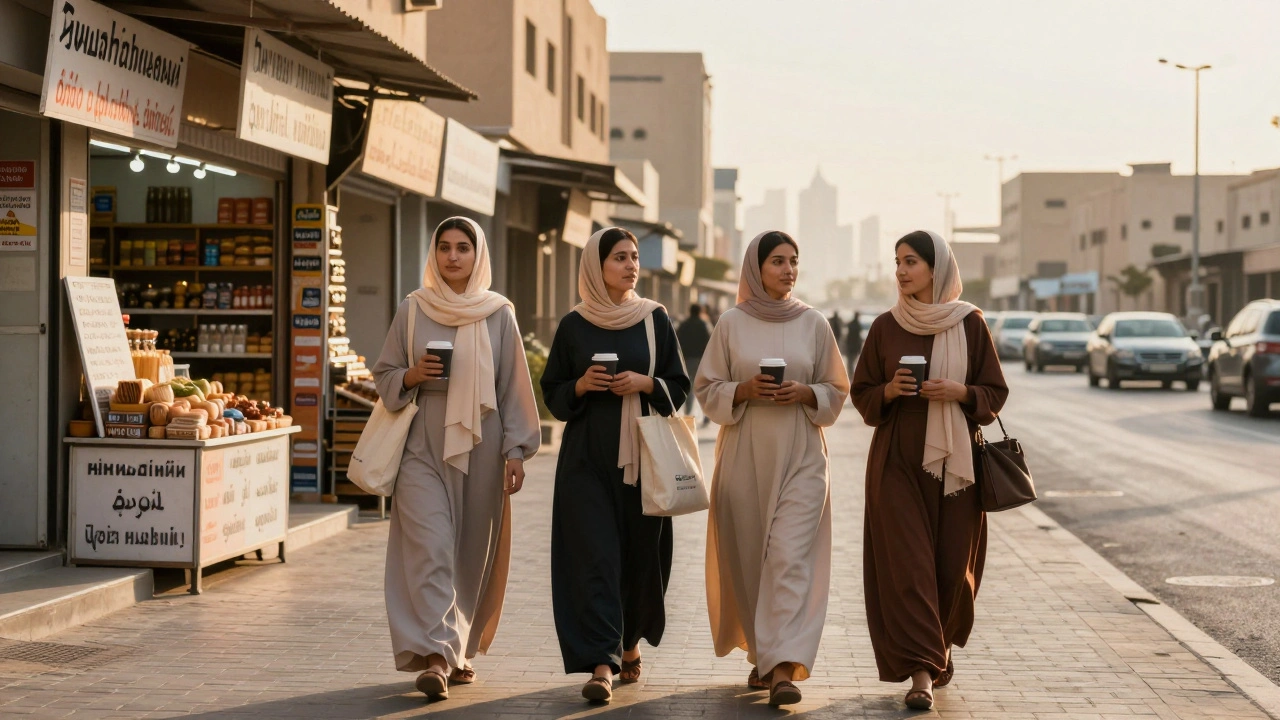
Life for Uzbek women in Dubai isn’t about parties or nightlife. Most live in shared apartments in areas like Al Quoz, Satwa, or Deira-where rent is affordable and communities are tight-knit. Many wake up before 5 a.m. to prepare meals for their families, head to work by 7 a.m., and return home by 8 p.m. After dinner, they often study English or take online courses to upgrade their skills.They follow Islamic traditions but adapt them to Dubai’s rules. Many wear headscarves, but not all. Some wear abayas, others choose modest Western clothes-long skirts, high-neck tops, and loose sleeves. Dubai’s laws require modest dress in public, but enforcement is relaxed unless someone complains. Most Uzbek women say they dress the way they feel comfortable, not because they’re forced to.
Weekends are for family. They cook plov together, call relatives back home via WhatsApp, and visit the Uzbek mosque in Al Quoz, where sermons are sometimes delivered in Uzbek. There’s a small Uzbek cultural center near Ibn Battuta Mall where they gather for Nowruz celebrations, traditional music nights, and language classes for their kids.
Workplaces Where Uzbek Women Thrive
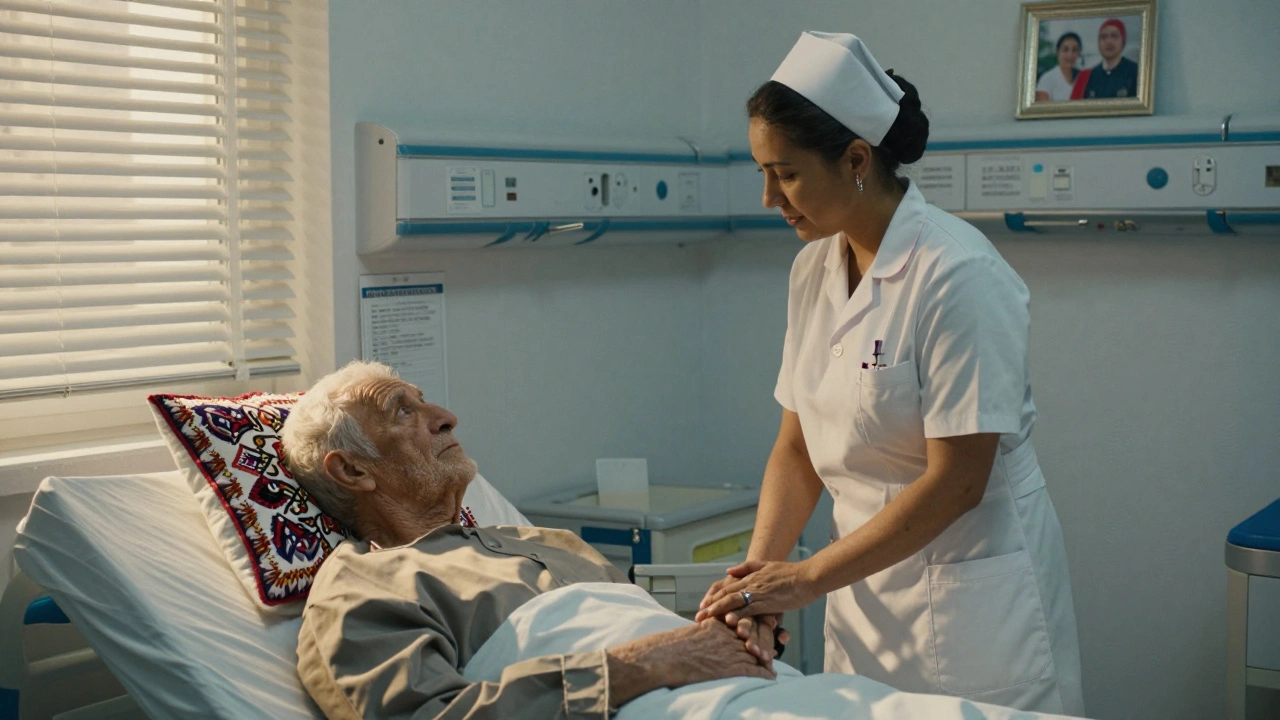
The biggest employers of Uzbek women in Dubai are healthcare and education. Hospitals like Dubai Hospital, Rashid Hospital, and American Hospital hire dozens of Uzbek nurses every year. They’re known for their discipline, patience, and strong work ethic. Many start as aides and become registered nurses within two years.Schools are another major employer. Uzbek women often work as teaching assistants in international schools, especially those with Russian or Central Asian student populations. Some become full-time teachers after completing a PGCE or online certification from the UK or Canada.
Domestic work is still common, but it’s declining. More women now prefer office jobs. A 2024 survey by the Dubai Statistics Center showed that 68% of Uzbek female expats now work in professional roles, up from 39% in 2018. That’s a massive shift.
Challenges They Face
It’s not all easy. Language is the biggest barrier. Many arrive with little or no English. Learning it while working full-time is exhausting. Some take free classes at community centers, but others rely on apps like Duolingo or YouTube tutorials.Discrimination exists, too. Some landlords refuse to rent to Uzbek families. A few employers underpay them or delay salaries. There’s no official data on this, but community groups like the Uzbek Women’s Network in Dubai have documented over 200 complaints in the last two years.
Isolation is another issue. Many don’t have family nearby. Social circles are small. They rely on WhatsApp groups-like “Uzbek Sisters in Dubai” with over 12,000 members-to share job leads, apartment rentals, and emotional support.
Cultural Identity in a Foreign Land
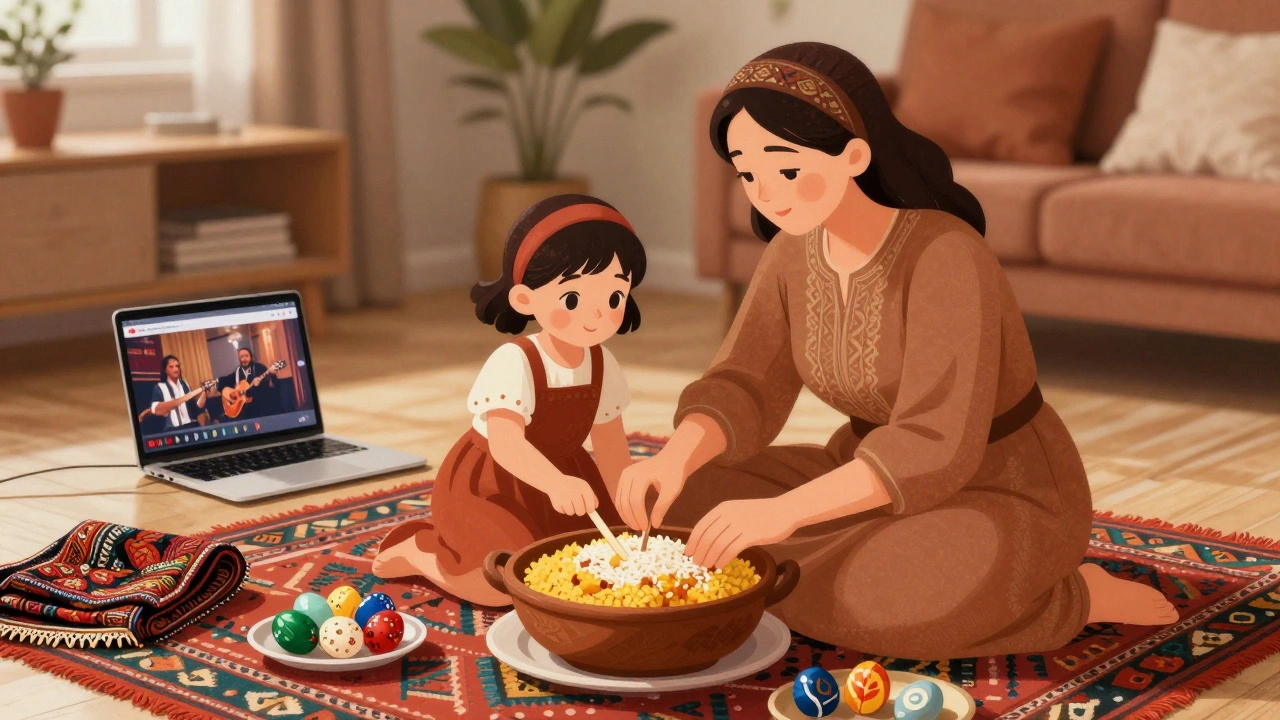
Uzbek women in Dubai don’t lose their identity-they redefine it. They celebrate Nowruz with plov and painted eggs, even if they’re far from home. They teach their children Uzbek phrases at home and insist they know how to say “men seni sevaman” (I love you) in their mother tongue.Some start YouTube channels or Instagram pages sharing Uzbek recipes, traditional embroidery patterns, or parenting tips for raising bilingual kids. One popular account, @uzbekmamaindubai, has over 85,000 followers. Her posts show her daughter learning Uzbek alphabet while eating shashlik at a Dubai park.
They also push back against stereotypes. Many refuse to be labeled as “maid” or “nanny.” They introduce themselves as “nurse,” “teacher,” or “business owner.” They’ve formed professional networks like the Uzbek Women Professionals Association, which holds monthly career workshops and legal advice sessions.
What the Future Holds
More Uzbek women are applying for long-term residency visas under Dubai’s Golden Visa program. To qualify, they need a university degree, a job offer paying over $5,000 a month, or a business license. In 2025, over 1,200 Uzbek women received Golden Visas-up from just 140 in 2020.Some are returning to Uzbekistan with savings, skills, and confidence. Others are staying, buying property, and opening schools or clinics. One woman from Samarkand started a daycare center in Dubai that now employs 12 Uzbek women and teaches kids both English and Uzbek.
The next generation-Uzbek girls born in Dubai-is growing up bilingual, bicultural, and proud. They don’t see themselves as “Uzbek girls in Dubai.” They just see themselves as Dubai girls-with roots in Samarkand, Tashkent, or Bukhara.
How to Support Uzbek Women in Dubai
If you live in Dubai and want to help, start simple:- Don’t assume their job based on their appearance. Ask what they do.
- Support Uzbek-owned businesses-buy handmade scarves, try plov at a local restaurant, or book a language tutor.
- Volunteer at community centers that offer free English classes.
- Challenge stereotypes when you hear them. A comment like “All Central Asian women work as maids” is not just wrong-it’s harmful.
Uzbek women in Dubai aren’t here by accident. They’re here because they worked hard, saved every dirham, and dared to dream bigger. Their presence isn’t a trend. It’s a quiet revolution-one that’s reshaping what it means to be an expat in the UAE.
Are Uzbek girls in Dubai only working as domestic helpers?
No. While some do work in domestic roles, the majority now work in professional fields like nursing, teaching, IT, and retail. A 2024 Dubai government report showed that 68% of Uzbek female expats hold professional jobs, up from 39% in 2018. Many are nurses, teachers, and small business owners.
Can Uzbek women get a long-term visa in Dubai?
Yes. Uzbek women can apply for the UAE’s Golden Visa if they meet certain criteria: holding a university degree, earning over $5,000 monthly, or owning a registered business. In 2025, over 1,200 Uzbek women received Golden Visas, allowing them to live and work in Dubai indefinitely without needing a sponsor.
Do Uzbek girls in Dubai follow Islamic dress codes?
Many choose to dress modestly out of personal or cultural preference, but there’s no legal requirement to wear an abaya or headscarf. Dubai’s dress code is relaxed for expats unless in religious or government buildings. Most Uzbek women wear long skirts, loose tops, and headscarves-but not all. It’s a personal choice, not a rule.
Is it safe for Uzbek women to live alone in Dubai?
Yes. Dubai is one of the safest cities in the world for women, regardless of nationality. The crime rate is extremely low, and police respond quickly to reports of harassment. Many Uzbek women live alone or with roommates in neighborhoods like Al Quoz, Satwa, and Jumeirah Lakes Towers. Community groups also offer housing support and safety workshops.
How do Uzbek girls in Dubai stay connected to their culture?
They stay connected through food, language, and community. Uzbek restaurants in Dubai serve traditional dishes like plov, samsa, and lagman. WhatsApp groups with thousands of members share job leads and cultural events. They celebrate Nowruz, Eid, and family birthdays with traditional music and dress. Many also teach their children Uzbek at home and enroll them in weekend language classes.