When people hear "African girls in Dubai," many picture stereotypes-either exoticized fantasies or tragic narratives of exploitation. But the truth is far more ordinary, and far more powerful. Thousands of African women live, work, and build lives in Dubai every day-not as background characters, but as doctors, engineers, entrepreneurs, teachers, and artists. They’re not here by accident. They’re here because Dubai offers something real: opportunity, safety, and a chance to rewrite their stories.
Who Are the African Women in Dubai?
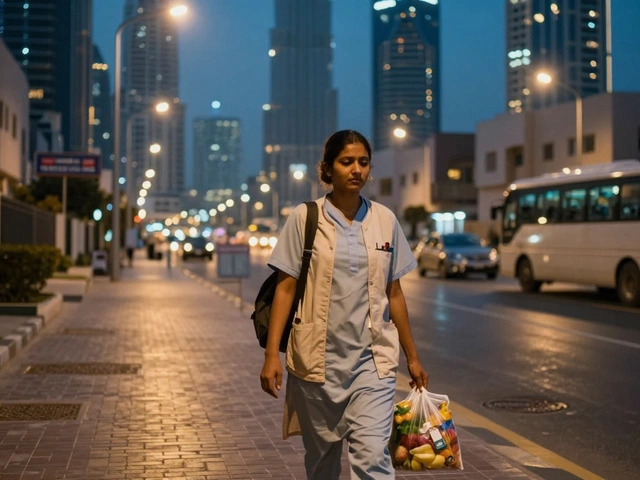
African women in Dubai come from over 50 countries across the continent. Nigeria, Ethiopia, Kenya, Ghana, Uganda, and South Africa are among the top origins. Many arrived on student visas, others on work permits, and some through family reunification. They’re not a monolith. One might be a nurse working 12-hour shifts at a hospital in Deira, while another runs a successful beauty salon in Jumeirah. Some are studying engineering at the American University in Dubai. Others manage logistics for multinational firms in Dubai Multi Commodities Centre.
According to UAE government data from 2024, over 120,000 African women hold legal residency in Dubai. That’s more than the population of many European cities. They pay taxes, rent apartments, open bank accounts, and send money home-just like any other expat. But unlike many Western expats, they rarely get featured in glossy magazines or travel blogs. Their stories are told in WhatsApp groups, church gatherings, and community centers-not on Instagram.
Living in Dubai: Rules, Realities, and Respect
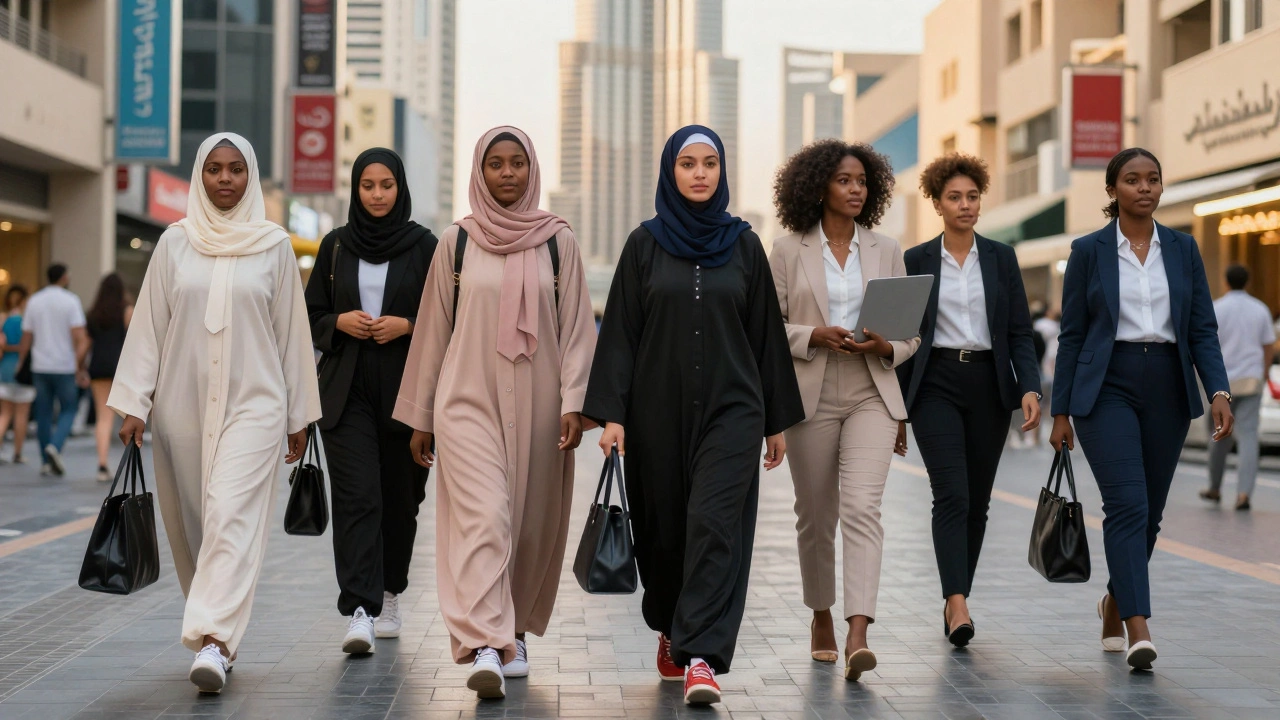
Dubai isn’t a free-for-all. It’s a city with clear rules, and African women learn them fast. Dress codes are more relaxed than in many Arab countries, but modesty still matters in public spaces. You won’t see women in bikinis walking through the Mall of the Emirates, but you’ll see plenty in tailored abayas, jeans with long tops, or hijabs paired with designer sneakers. The key isn’t restriction-it’s context.
Public displays of affection? Not allowed. Loud behavior in residential areas? Discouraged. Drinking alcohol? Only in licensed venues. These aren’t arbitrary rules-they’re part of a social contract. African women who thrive here understand this. They don’t fight the system. They navigate it.
Many live in shared apartments in Deira, Bur Dubai, or International City-areas known for affordability and strong African communities. Grocery stores stock jollof rice, fufu, and plantains. Mosques and churches hold services in Swahili, Amharic, and Yoruba. There are African hair salons on Al Quoz Road, Nigerian restaurants in Al Nahda, and Ethiopian coffee shops near Dubai Mall.
Work and Economic Mobility
Education is the biggest driver of upward mobility. African women in Dubai are disproportionately represented in healthcare and education. Over 40% of nurses in Dubai’s public hospitals are African women, mostly from Nigeria and Kenya. Many started as aides and worked their way up through certifications offered by Dubai Health Authority.
Others entered the tech sector. A 2023 report by Dubai Future Foundation found that 18% of female tech startups founded in Dubai by non-Gulf nationals were led by African women. One example is a Ghanaian software developer who built a mobile app for African migrant workers to track remittances. She now employs five others, all women from Uganda and Tanzania.
Entrepreneurship is growing. You’ll find African women running beauty supply stores, catering businesses, and online boutiques selling Ankara fabrics. Some sell on Etsy and Amazon, shipping globally. Others run small beauty parlors out of their homes, offering braiding and skin treatments to other African women who can’t find services elsewhere.

Community and Support Networks
Isolation is a real risk for any expat. But African women in Dubai have built networks that keep them grounded. Churches like the African Christian Fellowship in Jebel Ali host weekly gatherings. Facebook groups like "African Women in Dubai" have over 22,000 members. They share job leads, warn about shady landlords, and organize potlucks.
There are also formal organizations. The African Women’s Association of Dubai offers legal aid, language classes, and mentorship. They help women understand their labor rights-something many didn’t know before arriving. A common issue? Employers withholding passports. The association has helped over 300 women recover theirs since 2022.
These networks aren’t just about survival. They’re about thriving. Women meet for book clubs, yoga sessions, and even poetry nights. One group started a monthly salon where members present their work-whether it’s a research paper, a painting, or a new recipe. It’s not glamorous. But it’s real.
Challenges They Face
It’s not all success stories. Discrimination exists. Some African women report being passed over for promotions because of their accent or skin tone. Others face harassment from drivers or security guards who assume they’re domestic workers. Landlords sometimes refuse to rent to them unless they’re accompanied by a man.
Legal status is another pressure point. Many came on domestic worker visas, which tie them to one employer. Changing jobs is hard. If they leave, they lose their visa. Some stay in abusive situations because they fear deportation. Others take on second jobs illegally-cleaning houses at night after working as nurses during the day.
But change is happening. In 2024, Dubai introduced a new labor law allowing domestic workers to change employers without permission from their current one. It’s a small step, but it’s a step. African women’s groups helped push for it.
What No One Tells You
People assume African women in Dubai are here to escape poverty. Some are. But many are here because they’ve already climbed out of it. They didn’t come to find a man or to become a model. They came because Dubai gave them access to a global economy, a stable infrastructure, and the chance to send their siblings to school.
One woman from rural Kenya told me she saved for five years just to afford the flight. She worked as a teacher back home, earning $80 a month. In Dubai, she earns $1,200. She sends $800 home every month. Her younger sister just finished university. That’s not luck. That’s strategy.
Their lives aren’t defined by Dubai’s skyline or luxury malls. They’re defined by quiet resilience-the kind that doesn’t make headlines. It’s the woman who wakes up at 4 a.m. to pray before her shift. The one who tutors neighborhood kids after work. The one who buys a secondhand laptop so her daughter can study online.
Where to Find Them-And How to See Them
If you want to meet African women in Dubai, don’t look for them on tourist beaches or Instagram reels. Look in the community centers. Visit the African Market in Al Quoz on weekends. Go to the Ethiopian Orthodox Church in Al Nahda on Sunday mornings. Join a language exchange group at the Dubai Public Library.
Don’t ask them if they’re an escort. Don’t assume they’re here for sex work. Don’t call them "exotic." Just say hello. Ask what they do. Ask where they’re from. Ask what they miss about home. You’ll hear stories of courage, humor, grief, and hope.
They’re not here to entertain you. They’re here to live.
Are African women in Dubai safe?
Yes, Dubai is one of the safest cities in the world for women, regardless of nationality. Crime rates are low, and police response is quick. African women report feeling safer here than in many Western cities. However, cultural misunderstandings can lead to discomfort-like being stared at or questioned by strangers. Staying connected to community networks helps reduce risks.
Can African women work in Dubai without a visa sponsorship?
No. All foreign workers in Dubai need a sponsor-a company or individual who applies for their work visa. Freelancing without a visa is illegal. But many African women start as employees and later open their own businesses under a freelance permit, which became available in 2023. This lets them work legally without a traditional employer.
Do African women in Dubai face racism?
Unfortunately, yes. Skin color and accent can lead to bias in hiring, housing, and service. Some employers assume African women are only qualified for cleaning or caregiving roles. But awareness is growing. Organizations like the African Women’s Association of Dubai and the UAE’s National Human Rights Committee are pushing for better protections. Many African women are also speaking out on social media and in local media outlets.
What do African women in Dubai do for fun?
They go to movies, visit parks like Zabeel Park, attend cultural festivals like the Dubai African Film Festival, and join book clubs. Many host home parties with traditional food and music. Some take weekend trips to Oman or the Northern Emirates. Others volunteer at animal shelters or teach English to refugees. Their hobbies are as varied as their backgrounds.
How do African women in Dubai stay connected to home?
Through WhatsApp groups, video calls, and social media. Many subscribe to African TV channels like DSTV or Showmax. They cook traditional meals using ingredients bought at African markets. Some send care packages with spices, fabrics, and books. Others organize virtual celebrations for holidays like Eid, Christmas, or Independence Day. Family remains central-even from 4,000 miles away.