When people hear "Filipina girls in Dubai," many picture stereotypes: waitresses in cocktail bars, housekeepers in luxury villas, or Instagram models posing by the Burj Khalifa. But the truth is far more layered. Over 250,000 Filipinos live in Dubai - more than half of them women - and they’re not just here for work. They’re building families, starting businesses, running nonprofits, and shaping the cultural fabric of the city.
Why Do Filipinas Come to Dubai?
The Philippines has one of the highest rates of overseas labor migration in the world. For many Filipinas, Dubai isn’t just a job - it’s a lifeline. A nurse from Cebu might earn five times more working in a Dubai hospital than she would at home. A teacher from Davao can send remittances that pay for her siblings’ college degrees. A domestic worker in Jumeirah might save enough in two years to buy land back in the Visayas.
The UAE has long relied on foreign labor, and Filipinas are among the most trusted workers in key sectors: healthcare, education, hospitality, and domestic service. According to the Philippine Overseas Employment Administration, over 60% of Filipino workers in the UAE are women, and nearly 70% of those are employed in professional or semi-professional roles - not just cleaning or caregiving.
Life Behind the Scenes
Most Filipinas in Dubai live in shared accommodations - sometimes with five other women in a two-bedroom apartment in Deira or Al Quoz. Their days start before dawn: a 5 a.m. alarm, a quick prayer, a packed lunch, then a 45-minute bus ride to work. Many work 12-hour shifts, seven days a week, with only one day off per month.
But this isn’t a story of victimhood. It’s a story of resilience. Many Filipinas keep journals, learn Arabic phrases, and attend free English classes offered by churches and NGOs. Some open small businesses on the side - selling homemade adobo, offering online tutoring, or running Instagram accounts for Filipino fashion and beauty.
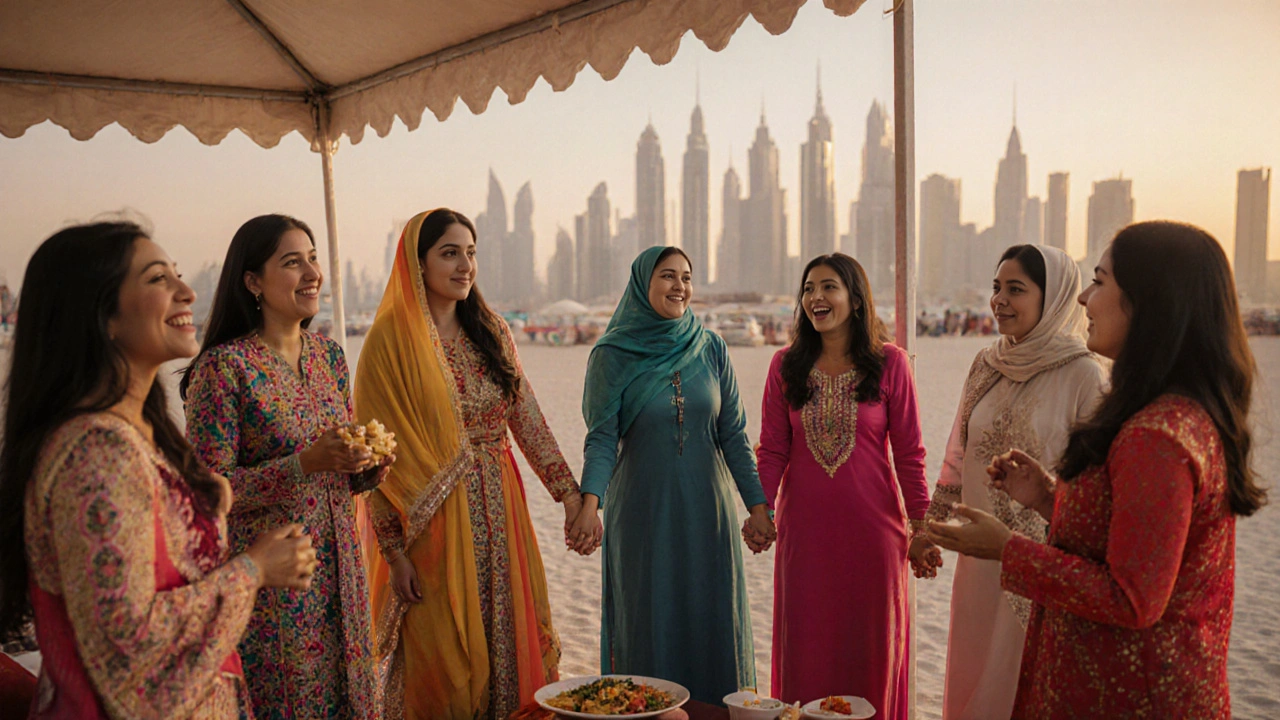
On Sundays, the streets of Bur Dubai and Al Karama come alive with Filipino gatherings. Women in colorful dresses gather under tents set up by the Philippine Embassy, singing karaoke, sharing meals, and holding prayer circles. These gatherings aren’t just social - they’re support networks. Someone might find a new job through a friend. Another might get help navigating visa paperwork. A teenager might get her first pair of shoes from a donation box.
The Hidden Professionals
Not every Filipina in Dubai is a domestic worker. Thousands are nurses, engineers, architects, and corporate managers. A 2023 survey by the Dubai Chamber of Commerce found that Filipinas make up 18% of all healthcare professionals in the emirate - more than any other nationality.
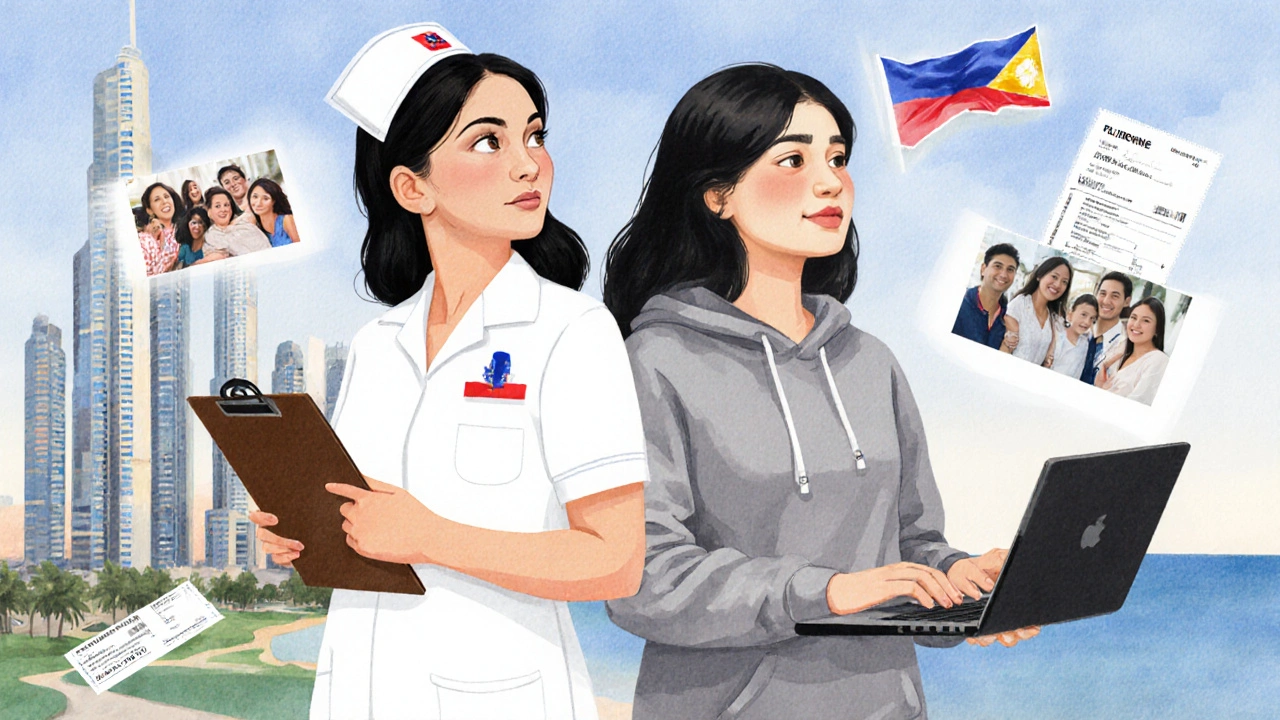
There’s Maria, a registered nurse who moved to Dubai in 2019 after working in a public hospital in Manila. She now works in a private hospital in Dubai Healthcare City, earns AED 12,000 a month, and sends AED 8,000 home each month. She’s saving to open a small clinic in her hometown.
Then there’s Leah, a software developer from Quezon City who joined a tech startup in Dubai Internet City. She doesn’t live in a shared apartment - she has her own studio in Jumeirah Lakes Towers. She’s learning to drive, joined a book club, and volunteers at a refugee support center. Her story isn’t rare. More Filipinas are entering tech, finance, and design fields every year.
Culture and Identity in a Foreign Land
Filipinas in Dubai hold on tightly to their culture. Christmas in Dubai starts in September - with caroling in malls, pancit feasts in community halls, and midnight masses at St. Joseph’s Church in Al Quoz. They celebrate fiestas with neighbors, teach their children Tagalog, and wear barongs to work events.
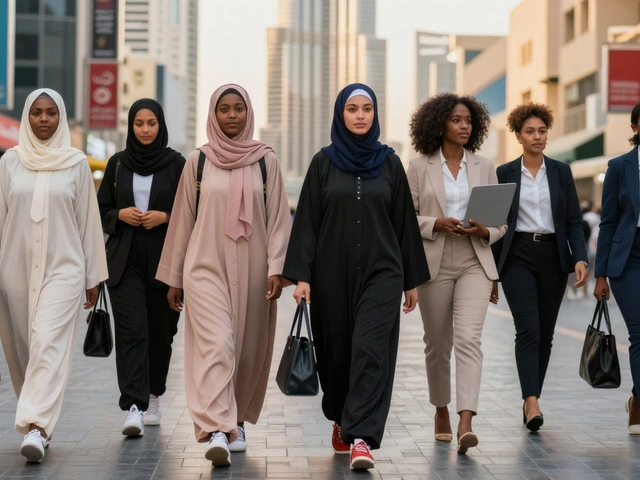
But they’re also adapting. Many now wear abayas when commuting, especially in conservative neighborhoods. Others have learned to say "Shukran" instead of "Thank you." Some have started blending Filipino and Emirati traditions - like serving lumpia at Eid dinners or decorating their homes with both santos and lanterns.
Language is another bridge. While most Filipinas speak English fluently, many are now learning Arabic. A study by the Dubai Arabic Language Center showed that over 40% of Filipino women in Dubai have taken at least one Arabic course - not just to communicate, but to connect.
Challenges and Realities
It’s not all sunshine and karaoke. Many Filipinas face exploitation. Some employers withhold passports. Others demand extra hours without pay. Abuse cases are underreported because of fear of deportation or losing their jobs.
The Philippine Embassy runs a 24/7 hotline and offers legal aid, but access isn’t always easy. Women working in remote areas - like Al Ain or the Northern Emirates - have fewer resources. And while the UAE has improved labor laws since 2020, enforcement still varies.
There’s also the emotional toll. Missing birthdays, holidays, and a child’s first steps. The loneliness. The guilt. Many Filipinas carry photos of their families in their wallets - not as keepsakes, but as reminders of why they’re here.
Changing the Narrative
More Filipinas are speaking up. TikTok accounts like @FilipinaInDubai and @PinayInUAE have millions of followers - sharing honest stories about work, culture shock, and triumph. Podcasts like "Pinay Voices Dubai" feature interviews with women who’ve started businesses, written books, or become community leaders.
Organizations like the Filipino Women’s Network Dubai and the Philippine Women’s Association offer mentorship, job training, and legal workshops. Some women have even launched apps to connect domestic workers with fair employers - bypassing agencies that charge high fees.
The Dubai government has started recognizing their contributions. In 2024, the Ministry of Human Resources and Emiratization launched a pilot program to improve housing standards for domestic workers - including private rooms, access to Wi-Fi, and guaranteed days off.
What’s Next?
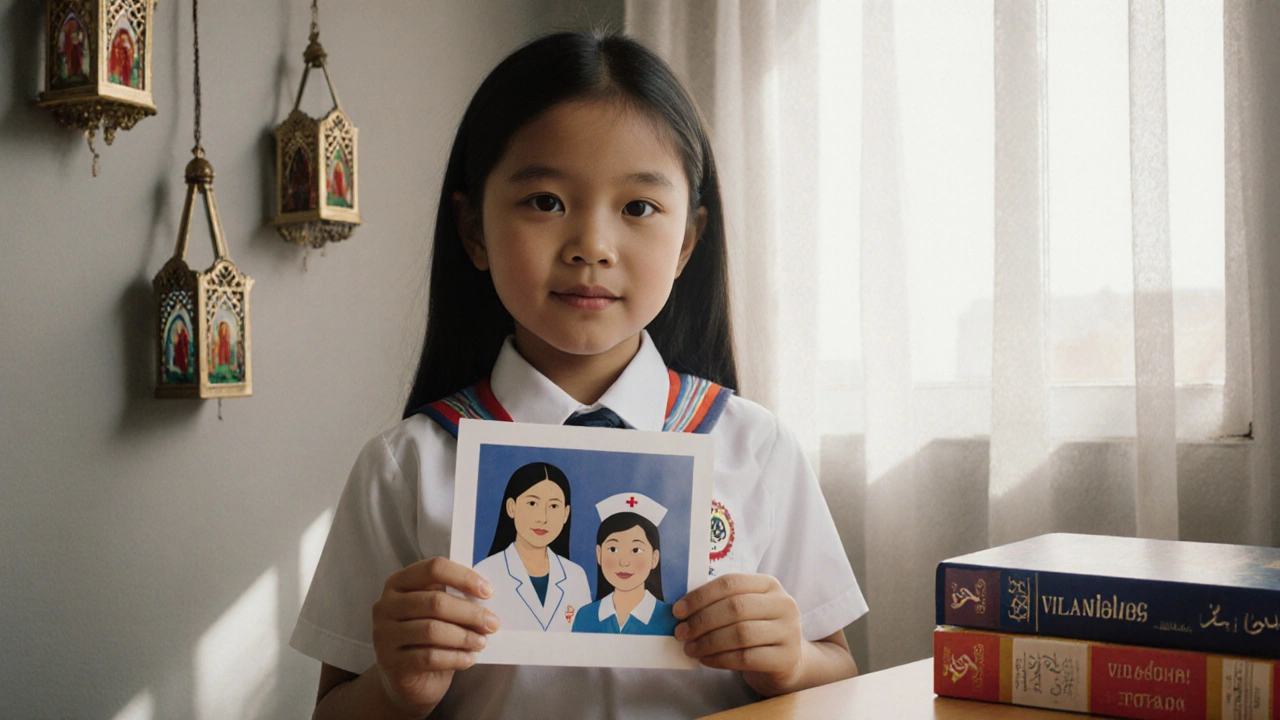
The next generation is different. Filipina daughters of workers in Dubai are growing up bilingual, bicultural. They’re attending international schools, studying at UAE universities, and planning to stay. One 17-year-old told a reporter: "I don’t see myself going back to the Philippines. This is my home now. I just want to be seen as more than my mom’s job."
That’s the shift happening. Filipinas in Dubai are no longer just "the help." They’re nurses saving lives, teachers shaping minds, entrepreneurs building brands, and mothers raising future leaders. Their stories aren’t about exoticism or pity. They’re about grit, dignity, and the quiet courage it takes to build a life far from home.
Are Filipina women in Dubai only domestic workers?
No. While many Filipinas work in domestic roles, over 40% hold professional jobs in healthcare, education, IT, finance, and hospitality. Nurses, teachers, engineers, and corporate managers make up a large and growing segment of the Filipino community in Dubai.
How many Filipinas live in Dubai?
Approximately 250,000 Filipinos live in Dubai, with women making up more than half of that number. This makes Filipinas one of the largest expatriate female groups in the UAE.
Can Filipinas in Dubai become citizens?
The UAE does not offer easy paths to citizenship for foreign workers. However, long-term residents can apply for golden visas based on investment, professional qualifications, or exceptional contributions. Some Filipinas with advanced degrees or business ownership have qualified for these.
What support is available for Filipinas in Dubai?
The Philippine Embassy in Dubai offers legal aid, counseling, and emergency housing. NGOs like the Filipino Women’s Network and the Philippine Women’s Association provide job training, language classes, and mental health support. Free Arabic and English courses are also available through community centers.
Do Filipinas in Dubai face discrimination?
Some do, especially in workplace settings where employers misunderstand cultural norms or enforce unfair rules. But many Filipinas report being respected for their professionalism, reliability, and warmth. Community networks and advocacy groups have helped reduce stigma and improve working conditions over the past five years.