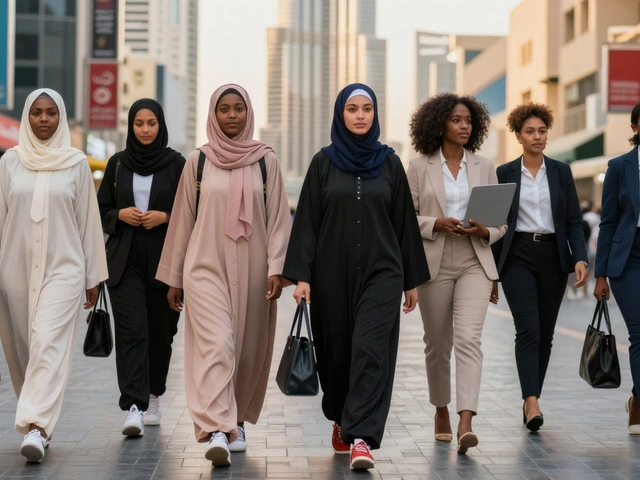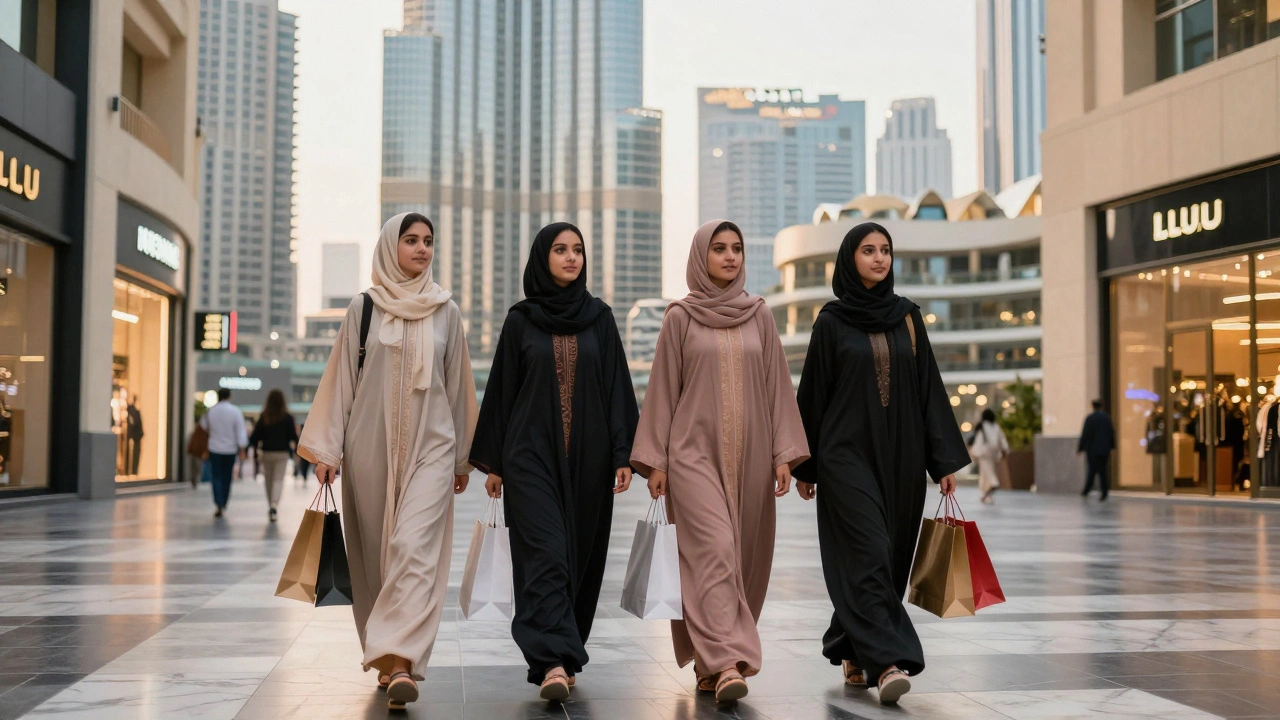
Every day in Dubai, you’ll see Moroccan girls walking through the malls of Dubai Mall, sipping mint tea at cafés in Al Fahidi, or rushing to work in Business Bay. They’re not tourists. They’re not here for a short visit. They’re building lives-studying, working, raising families, and carving out space in one of the world’s most dynamic cities.
Why Do Moroccan Girls Move to Dubai?
It’s not just about the weather. While Morocco’s climate can be harsh in summer and rainy in winter, Dubai offers stability, safety, and opportunity. Many Moroccan women come for jobs in hospitality, retail, education, or healthcare. Others arrive to study at universities like American University in Dubai or Zayed University. Some join family members who moved earlier-creating chains of migration that stretch back over two decades.
Unlike in some Western countries, Dubai doesn’t require a local sponsor for women to live independently. A work visa or student visa gives them the freedom to rent apartments, open bank accounts, and move around without male guardianship. That’s a big deal. In parts of Morocco, women still face restrictions on travel, employment, or even opening a bank account without a male relative’s approval. Dubai changes that.
Where Do They Live?
Most Moroccan girls in Dubai cluster in neighborhoods where rent is affordable and community is strong. Jumeirah Lakes Towers (JLT) is a top choice. It’s got Moroccan grocery stores, halal restaurants serving tagine and couscous, and mosques where Friday prayers are held in Arabic and Darija. Al Quoz and Discovery Gardens are also popular. These areas aren’t glamorous, but they’re real. You’ll find families sharing three-bedroom apartments, students cooking meals together, and moms organizing weekend picnics at Al Sufouh Beach.
Some live in Dubai Marina or Business Bay, especially if they work in finance, marketing, or design. But those areas are expensive. A one-bedroom apartment there can cost over 7,000 AED a month. Most Moroccan women opt for shared housing to save money. It’s not unusual to see four girls living together in a three-bedroom flat-splitting rent, cooking together, and helping each other navigate the system.
Culture and Identity
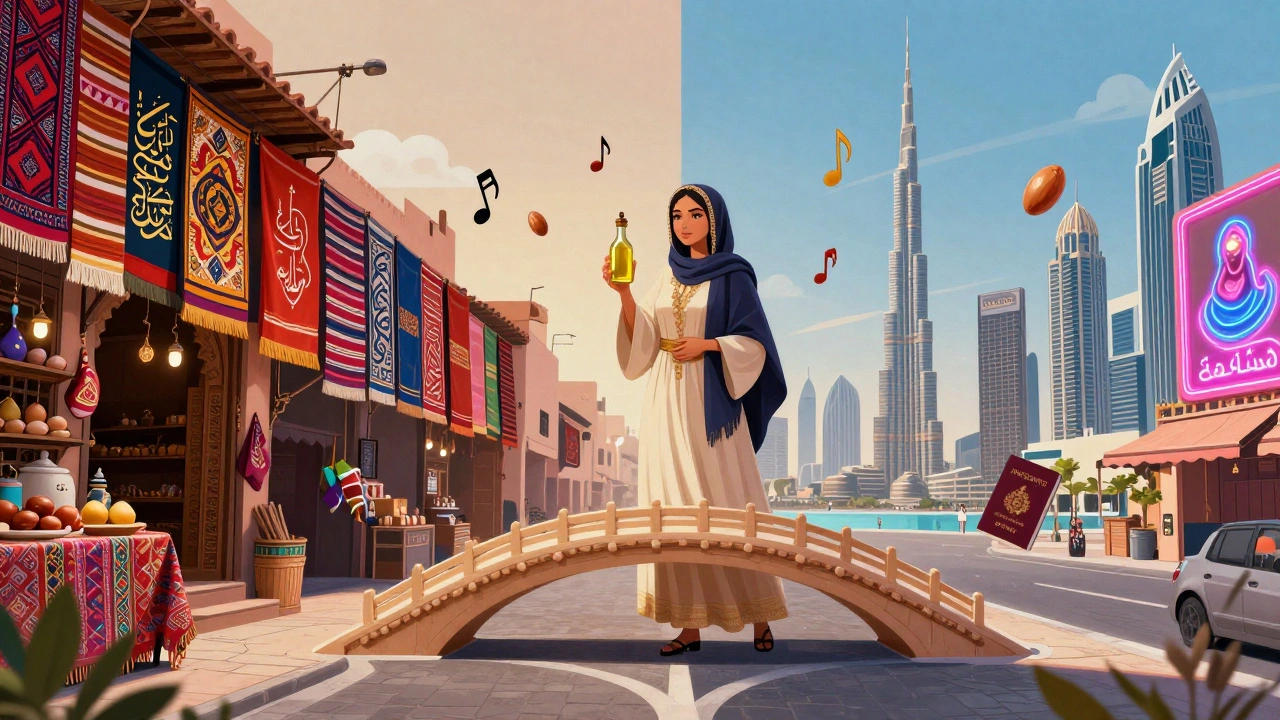
Being Moroccan in Dubai means balancing two worlds. At home, they wear hijabs or loose abayas, cook traditional meals, and speak Darija with their families. Outside, they adapt. Many learn to dress modestly but stylishly-long dresses, tailored blazers, and scarves that match their outfits. You’ll see them in designer stores like Lulu Hypermarket or City Centre Mirdif, buying clothes that respect local norms but still reflect their personal taste.
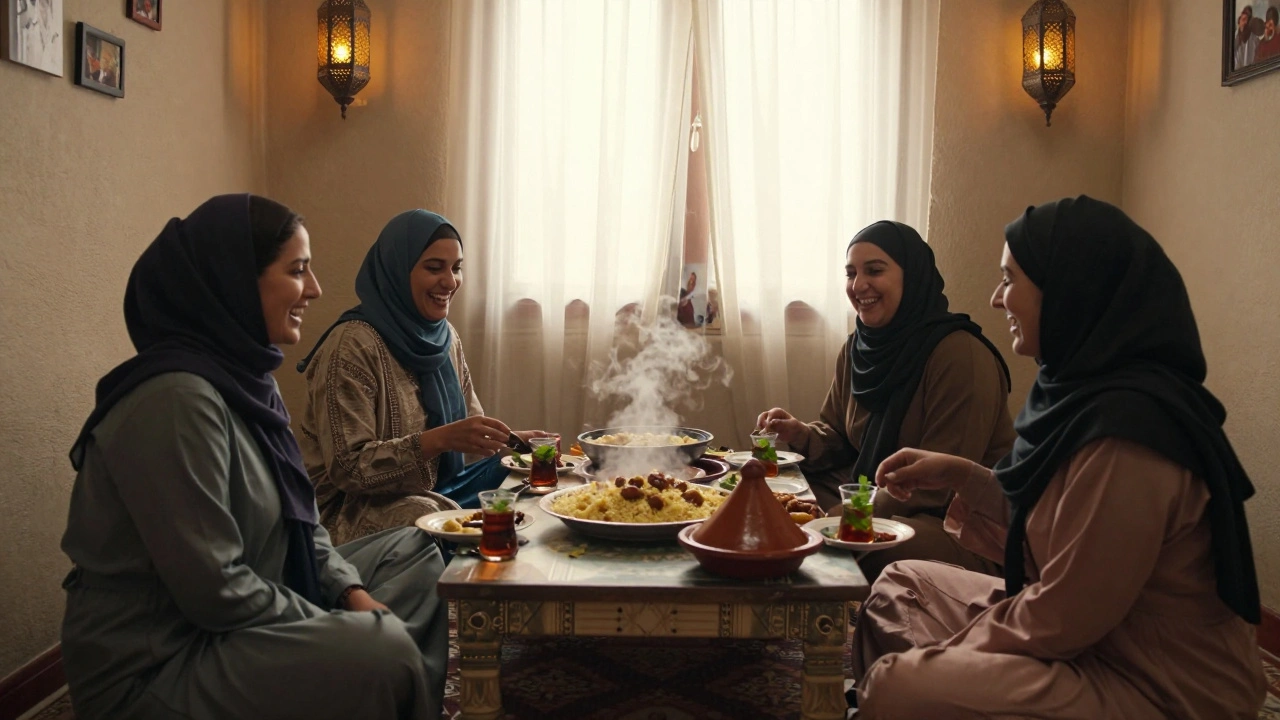
They don’t hide their roots. Moroccan festivals like Eid al-Adha and the Mawazine music festival are celebrated with big gatherings. Some host iftar dinners during Ramadan where Moroccan couscous, msemen, and harira soup are the stars. Others organize cultural nights where they teach Arabic calligraphy, play Gnawa music, or share stories from Marrakech and Fes.
But it’s not all tradition. Many Moroccan girls in Dubai are fluent in English, Arabic, and French. They use Instagram to connect with other expats, follow global trends, and even start small businesses-selling handmade jewelry, Moroccan spices, or beauty products online. One woman from Casablanca started a TikTok page called ‘Moroccan in Dubai’ that now has over 200,000 followers. She posts videos about how to find halal nail salons, where to buy authentic argan oil, and how to handle culture shock.
Work and Education
Education is a major driver. Moroccan girls make up one of the largest Arab student groups in Dubai’s universities. Many study business, nursing, or engineering. After graduation, they often stay. Employers value their multilingual skills and work ethic. A 2024 survey by the Dubai Statistics Center found that Moroccan nationals hold over 12,000 work permits in the UAE-up 37% since 2020. Most are women under 30.
They work as teachers in international schools, nurses in private hospitals, customer service reps at Emirates Airlines, and even tech assistants in startups. A few have launched their own businesses: a Moroccan café in Deira, a language tutoring service for Arabic learners, a boutique selling handwoven rugs from the Atlas Mountains.
But it’s not easy. Some face discrimination-being passed over for promotions because they’re “too foreign,” or having their accents mocked. Others struggle with the pressure to be perfect: to look polished, speak flawless English, and never complain. One 24-year-old nurse from Rabat told me, “I work 12-hour shifts, study for my master’s, and still cook dinner for my roommates. No one sees that. They just see ‘Moroccan girl’ and assume I’m here for fun.”
Community and Support
There’s no official Moroccan embassy-run group for women in Dubai, but community exists anyway. WhatsApp groups are the lifeline. One group called “Moroccan Sisters in Dubai” has over 3,500 members. They share job leads, apartment rentals, legal advice, and even emergency contacts. If someone gets pulled over by police, someone else in the group will call a lawyer. If a student needs help with a visa extension, someone has done it before and will walk them through it.
There are also informal meetups-coffee mornings at Starbucks in JLT, hiking trips to Hatta, weekend drives to the desert. These aren’t just social. They’re survival networks. In a city where loneliness can creep in fast, these connections keep people grounded.
Challenges and Misconceptions
Let’s be honest: Dubai has a reputation. Some people assume Moroccan girls here are here for romance, dating, or worse. That’s not true. The vast majority are here for education, work, or family. The few who do engage in romantic relationships do so quietly, carefully, and within legal boundaries. Dubai’s laws are strict. Public displays of affection, cohabitation without marriage, or dating across nationalities can lead to fines, deportation, or worse.
There’s also the myth that Moroccan women are oppressed here. The opposite is often true. Many say they’ve never felt more free. They can drive, work, vote in their home country’s elections from abroad, and speak their minds without fear. One woman from Tangier said, “In Morocco, I was told to wait until I was 28 to marry. Here, I’m 26 and I’m deciding my future-on my own terms.”
Still, there are challenges. The cost of living is high. Healthcare isn’t free. Some face language barriers. And while Dubai is tolerant, it’s not always welcoming. A Moroccan girl might get stared at in a mall because her hijab is different from the local Emirati style. Or she might be asked, “Where are you really from?”-as if being Moroccan isn’t enough.
What’s Next?
More Moroccan girls are coming. The numbers keep rising. And they’re not just passing through. They’re staying. Building careers. Starting families. Sending money home. Opening restaurants. Teaching Arabic. Running NGOs.
Dubai doesn’t need them to assimilate. It just needs them to show up. And they are. Quietly. Strongly. With purpose.
They’re not a trend. They’re not a footnote. They’re part of the city’s fabric now.
Are Moroccan girls allowed to work in Dubai?
Yes, absolutely. Moroccan women can work in Dubai with a valid work visa. They’re employed in education, healthcare, hospitality, retail, and tech. Many hold professional roles in international companies. The UAE doesn’t restrict women from working in any field, and Moroccan nationals have one of the highest employment rates among Arab expats in the country.
Do Moroccan girls in Dubai have to wear a hijab?
No, they don’t have to. Dubai is a multicultural city, and women of all backgrounds dress according to their personal and religious choices. Many Moroccan girls wear hijabs, others don’t. What’s expected is modest clothing-shoulders and knees covered. But there’s no law forcing anyone to cover their hair. It’s a personal decision.
Can Moroccan girls live alone in Dubai?
Yes. Women of any nationality can rent apartments, open bank accounts, and live independently in Dubai. No male guardian is required. This is one of the biggest differences from life in many parts of Morocco. Many Moroccan women live alone or with roommates, especially if they’re students or young professionals.
Are there Moroccan communities or groups in Dubai?
Yes, though they’re informal. WhatsApp groups, Facebook pages, and mosque-based gatherings connect Moroccan women. There’s no official embassy-run organization, but community is strong. You’ll find cultural events, language exchanges, and support networks-especially in neighborhoods like JLT, Al Quoz, and Discovery Gardens.
Is it safe for Moroccan girls to live in Dubai?
Yes, Dubai is one of the safest cities in the world for women. Crime rates are low, public transport is secure, and police are responsive. Many Moroccan women say they feel safer here than in their home cities. That said, like anywhere, it’s smart to be aware of local laws-especially around relationships, alcohol, and public behavior.