Filipino Women in UAE: Life, Work, and Community in Dubai and Abu Dhabi
When you hear "Filipino women in UAE," you might think of domestic work—but that’s only part of the story. Filipino women in UAE, a large, diverse group of expatriates who contribute to the economy, culture, and social fabric of the country. Also known as Overseas Filipino Workers (OFWs), they’re teachers, nurses, engineers, and small business owners—not just caregivers. Over 250,000 Filipinas live in the UAE, making them one of the largest female expat groups. Many come with degrees, years of experience, and clear goals: to support families back home, gain skills, or build a future here.
Their lives aren’t defined by one job or one city. In Dubai, you’ll find them working in hospitals in Deira, teaching in international schools in Jumeirah, or running beauty salons in Al Barsha. In Abu Dhabi, many serve as healthcare professionals in government clinics or manage logistics for multinational firms. They live in communities like Al Quoz, Mirdif, and Khalifa City—not hidden away, but integrated into daily life. Their presence is visible in Filipino grocery stores, Sunday church gatherings in Dubai Marina, and weekend picnics at Al Marmoom Desert. UAE labor law, a framework that protects foreign workers’ rights, including fair wages, rest days, and contract enforcement gives them real leverage, even if enforcement isn’t always perfect. Filipino community Dubai, a tightly knit network of associations, churches, and social groups that offer legal aid, job referrals, and emotional support helps them navigate challenges—from visa issues to cultural adjustment.
What’s missing from most headlines is their agency. These women aren’t waiting for rescue—they’re building careers, saving money, and planning futures. Some send their kids to university back home. Others open online shops selling Filipino food or beauty products. A growing number are studying for certifications in nursing, accounting, or IT while working full-time. The stereotype of the "helpless maid" doesn’t fit the woman who runs a successful Facebook group connecting Filipino nurses to jobs, or the mother who works nights at a clinic and tutors kids online during the day.
There are risks, of course. Scammers target newcomers with fake job offers. Some employers withhold passports or demand extra hours. But the community fights back—through legal clinics, WhatsApp support groups, and advocacy groups like the Philippine Embassy’s OFW assistance desk. You won’t find these stories in glossy travel blogs, but you’ll hear them in the quiet corners of Al Nahda or the lunch breaks at Dubai Healthcare City.
What follows is a collection of real, grounded stories and practical guides about Filipino women in the UAE. You’ll find insights into where they live, how they work, what laws protect them, and how they connect with each other. No fluff. No myths. Just what it’s really like.
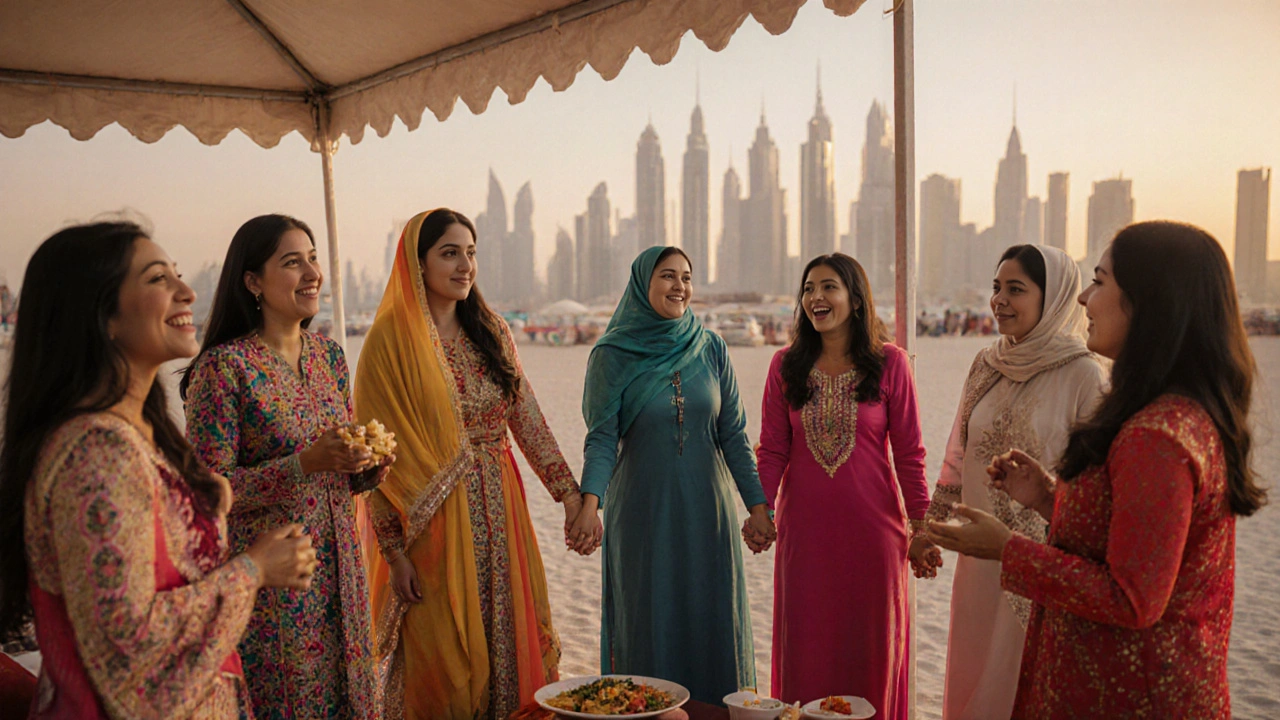
Filipina Girls in Dubai: Life, Work, and Community Beyond the Stereotypes
Filipina women in Dubai are more than domestic workers - they’re nurses, teachers, entrepreneurs, and community leaders. Discover their real lives, challenges, and contributions beyond the stereotypes.